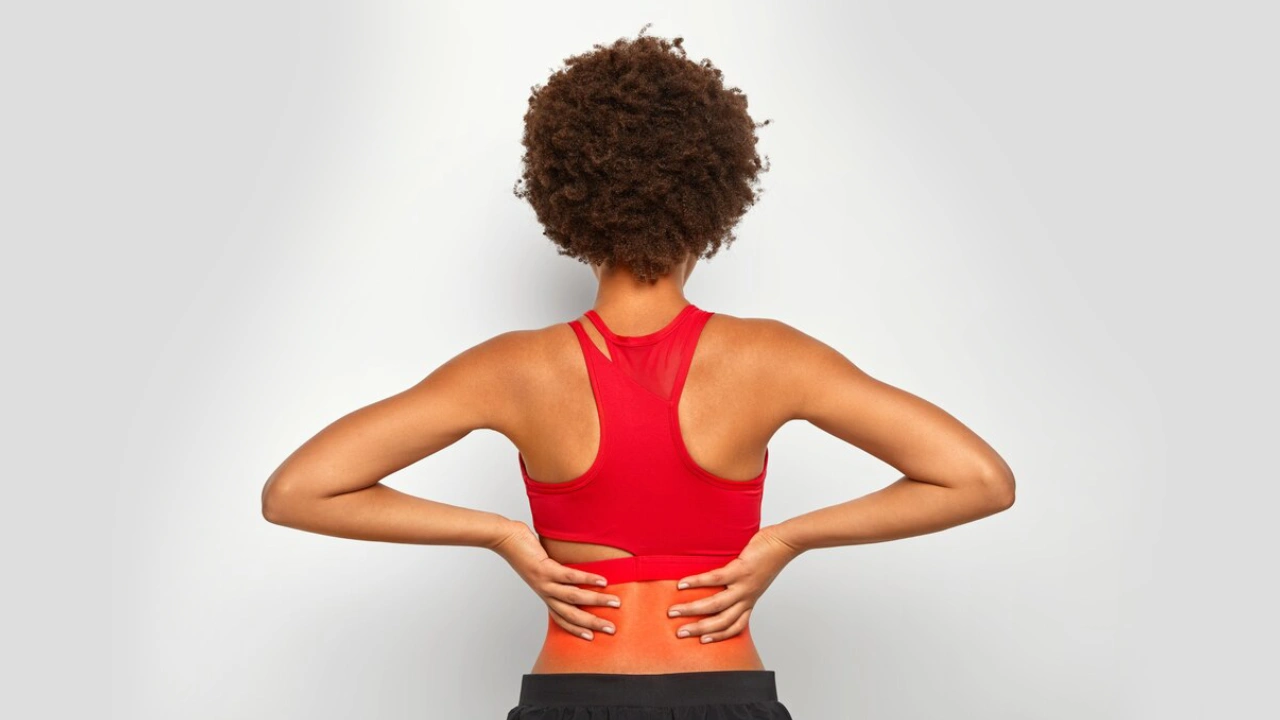
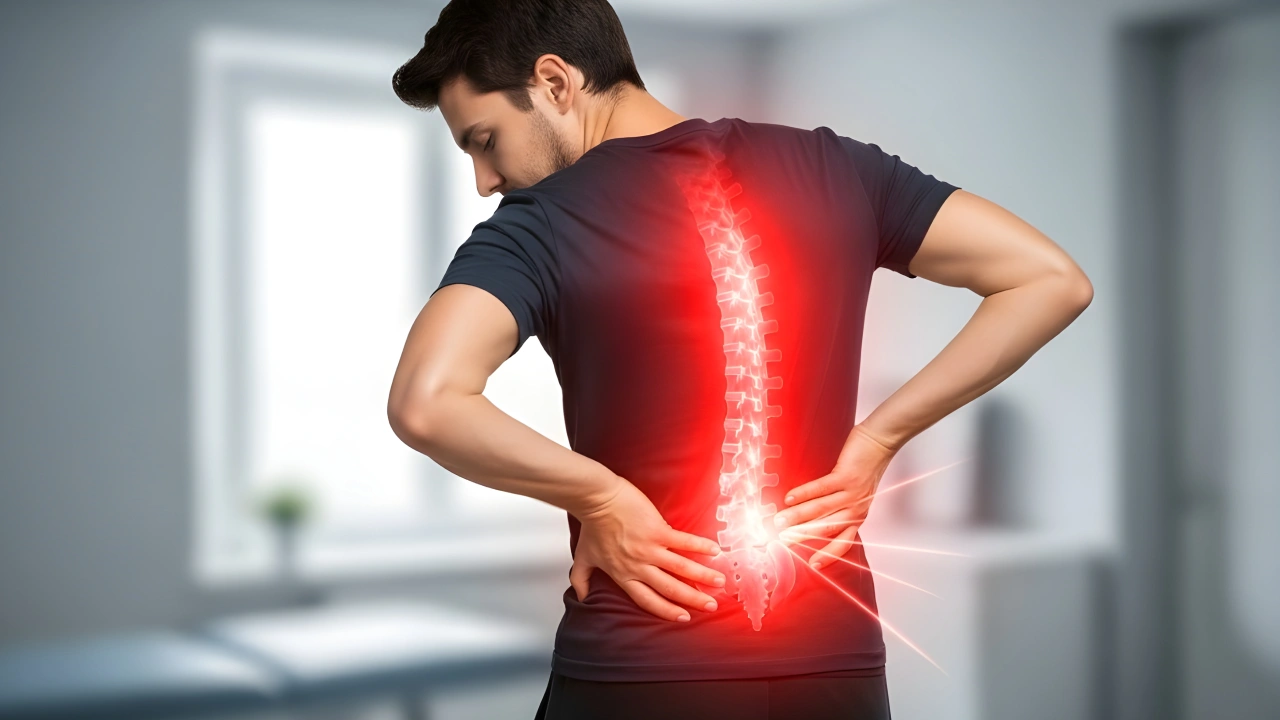
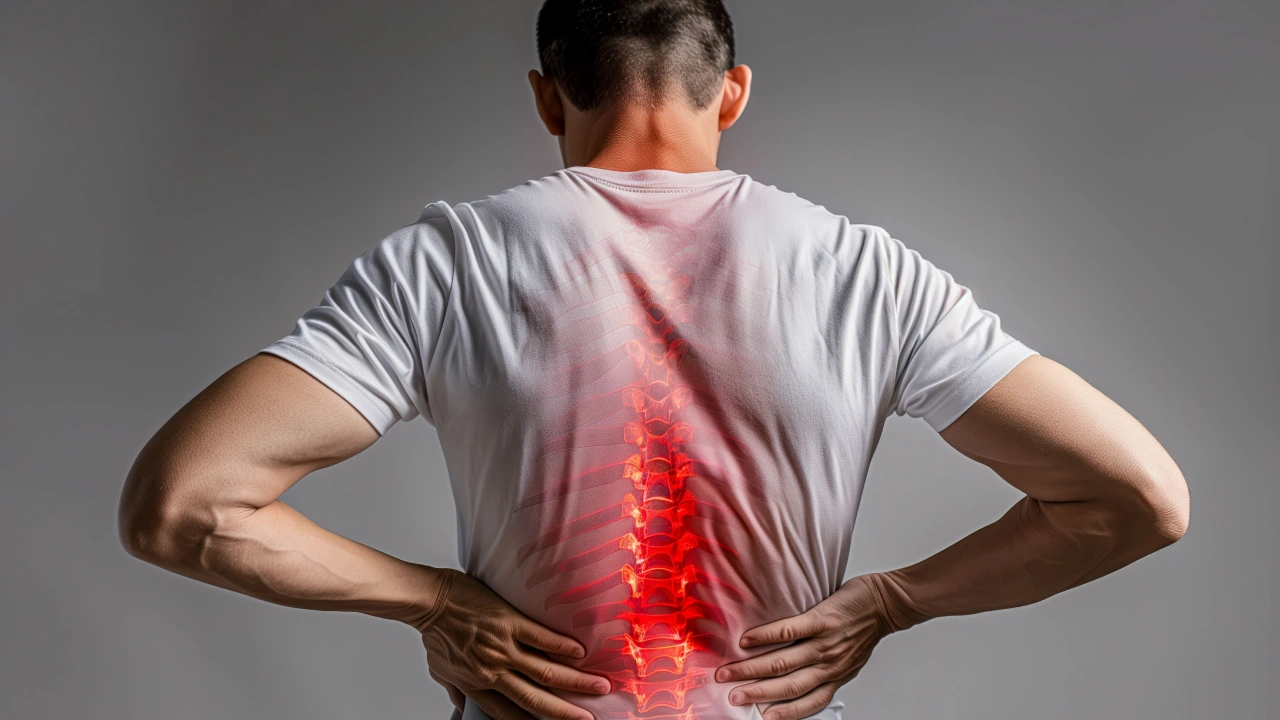
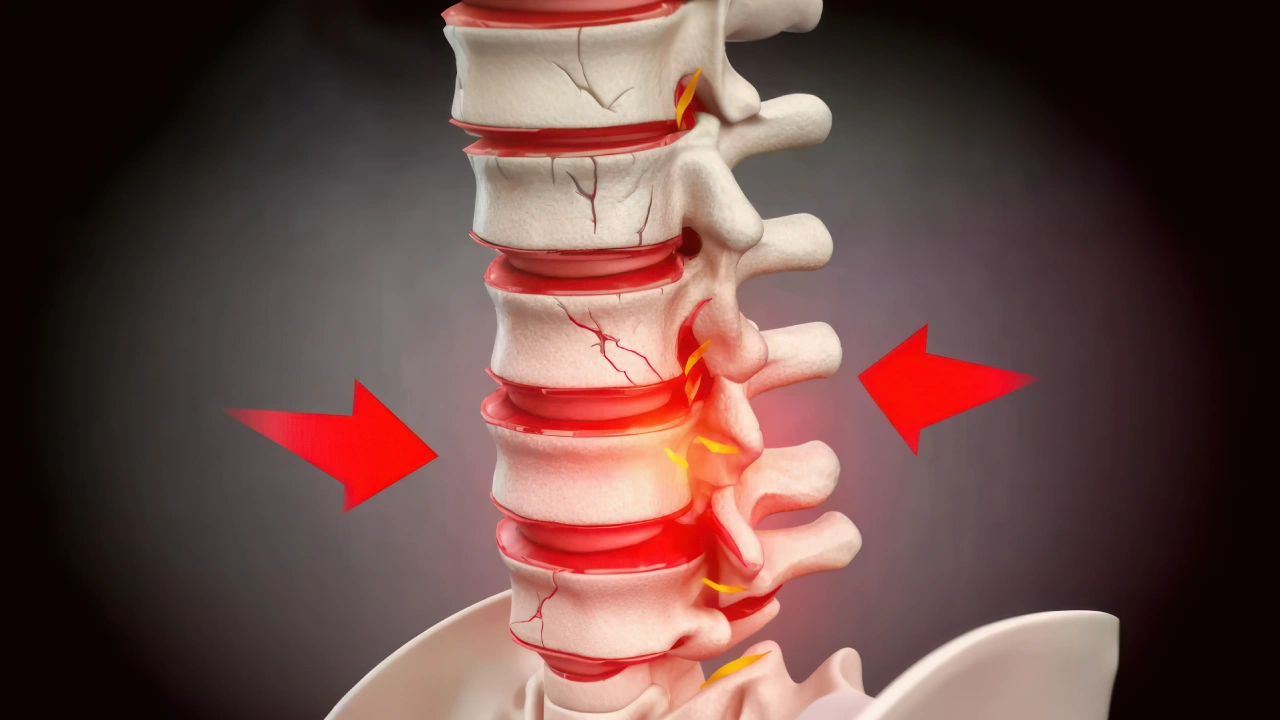
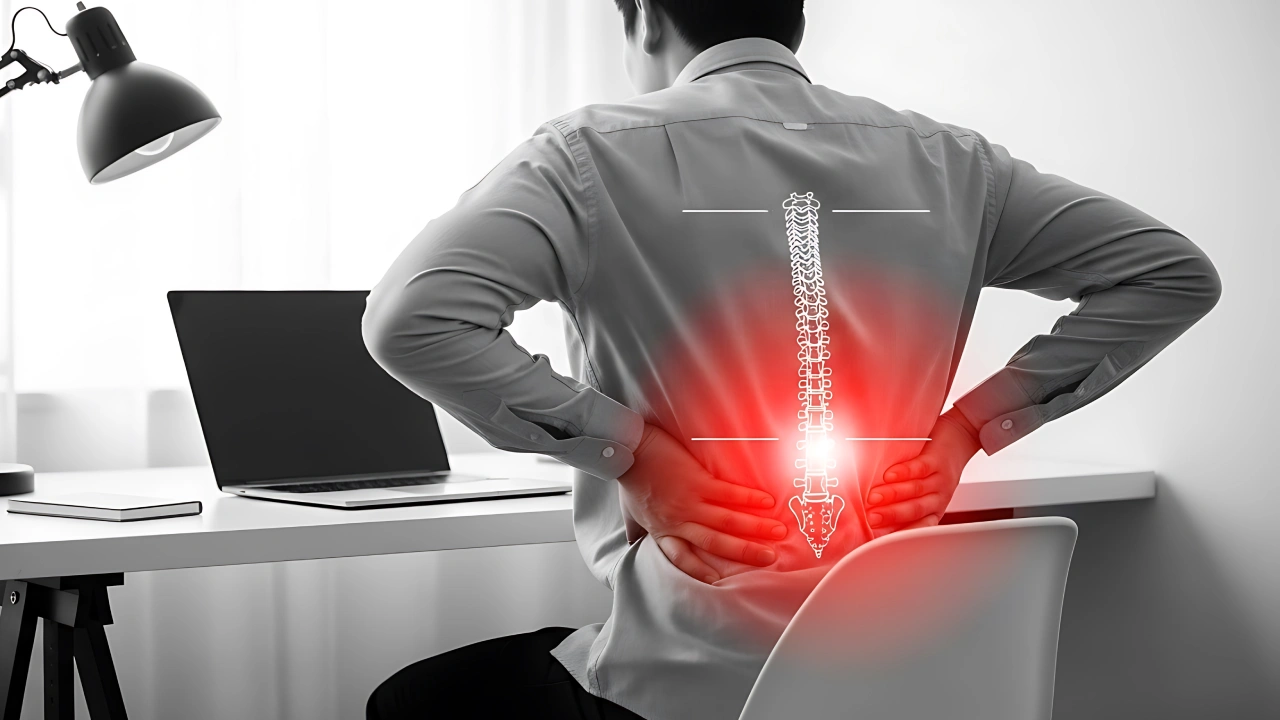
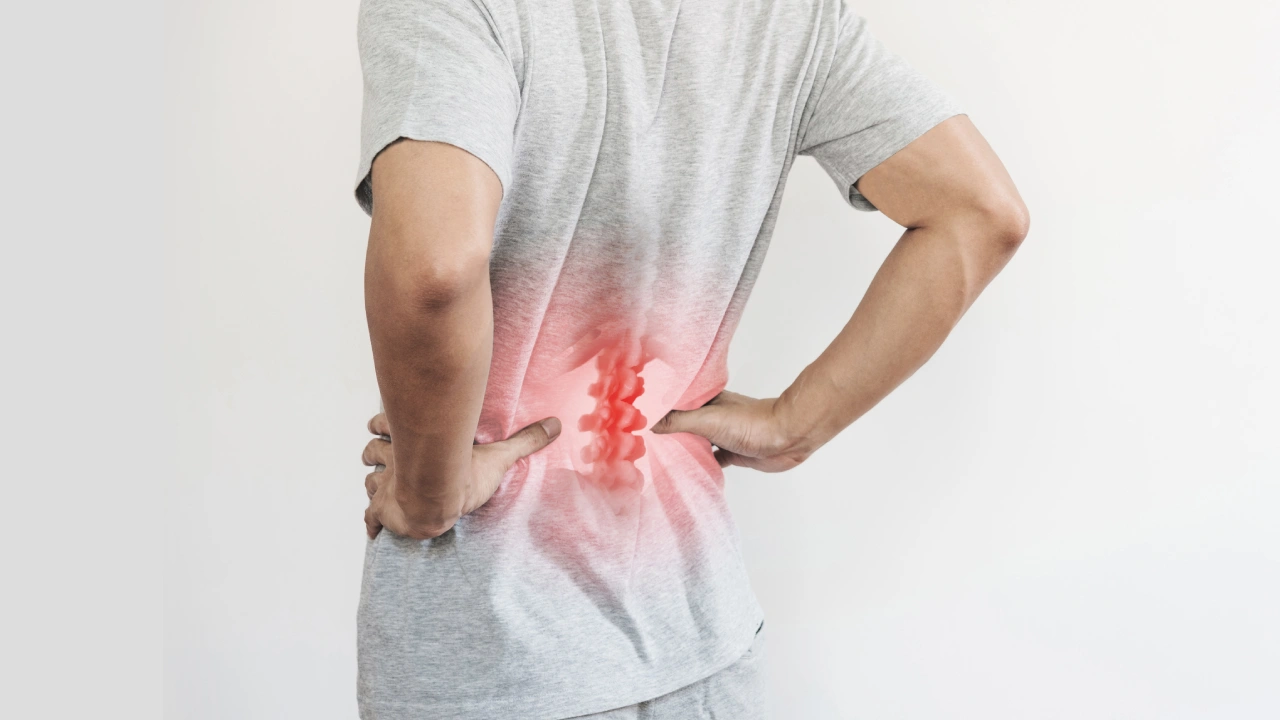
Lumbar Pain The lumbar spine is the lower portion of your back, consisting of five vertebrae between the rib cage and pelvis. This area supports much of your body weight and allows movements such as bending, twisting, and standing upright.
Overuse Injuries Overuse injuries occur when repeated movements place excessive stress on muscles, tendons, joints, bones, or other soft tissues.
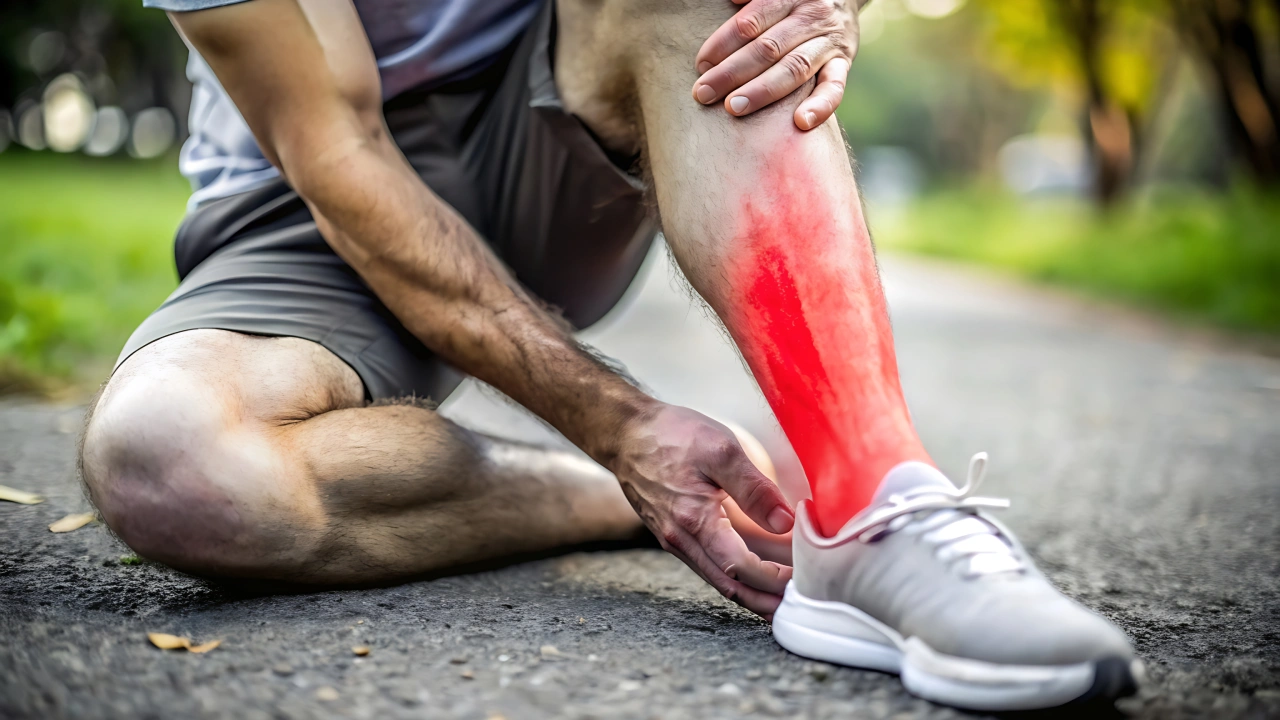
Running Injuries Running can strengthen the body, support cardiovascular health, and provide an outlet for everyday stress. However, when training intensity increases too quickly, footwear wears down, or recovery time becomes insufficient, runners may start noticing aches that interfere with their routines.
Sports Injuries Sports can challenge your body, build strength, and keep you active. But one awkward landing, sudden twist, or forceful movement can leave you dealing with an injury that interferes with your daily routine.
Myofascial Pain Myofascial pain is discomfort associated with muscles and the connective tissue surrounding them, called fascia.
Muscle Tightness Muscles can feel tight when they remain in one position for extended periods, work harder than usual, or experience repeated strain.
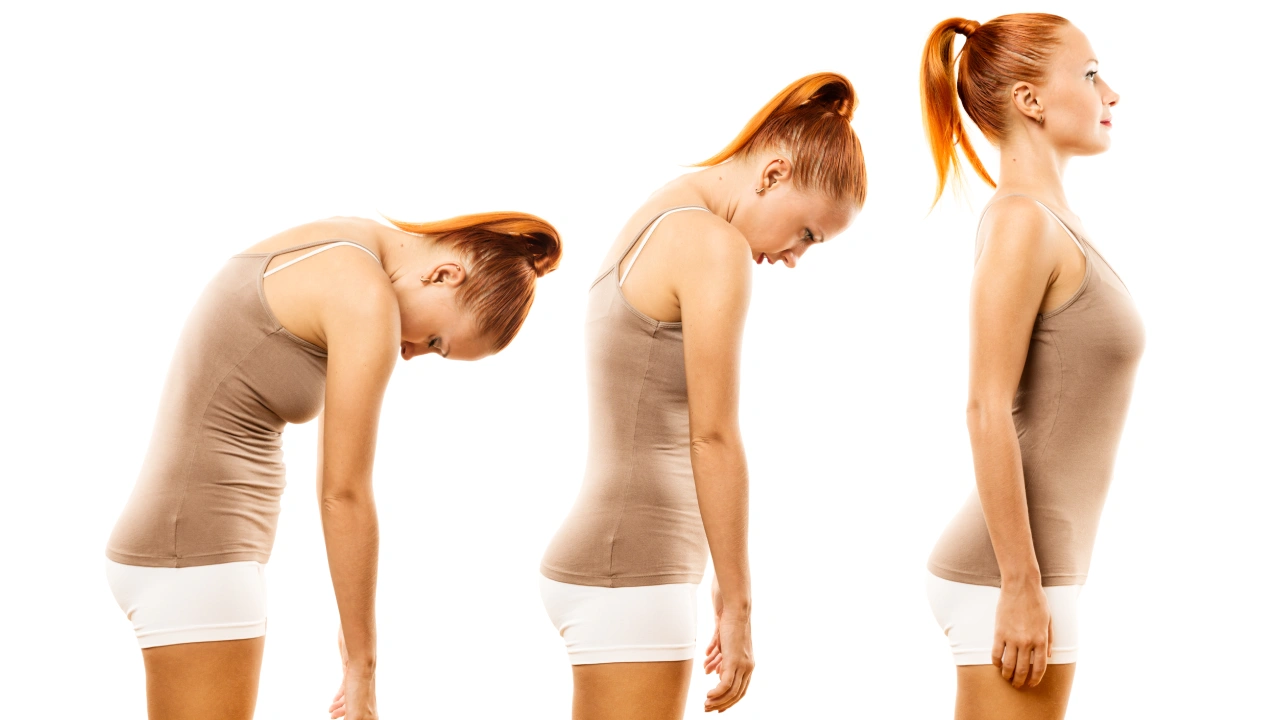
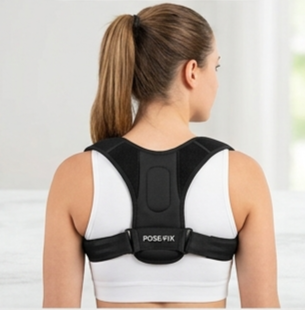
Postural Problems Postural problems occur when the body regularly maintains positions that place unnecessary strain on muscles, joints, ligaments, or other supporting structures.
Osteoarthritis Osteoarthritis is a joint condition that develops when the tissues within a joint undergo gradual changes. The cartilage that cushions the ends of bones can wear down, while changes may also occur in the underlying bone, joint lining, and surrounding tissues.
Joint Stiffness Joint stiffness can develop for several reasons. Sitting at a desk for extended periods, reduced physical activity, repetitive movements, previous injuries, and age-related changes may all contribute to restricted movement.
Disc-Related Pain Spinal discs contain a soft inner portion surrounded by a tougher outer layer. Over time, these structures may undergo age-related changes.
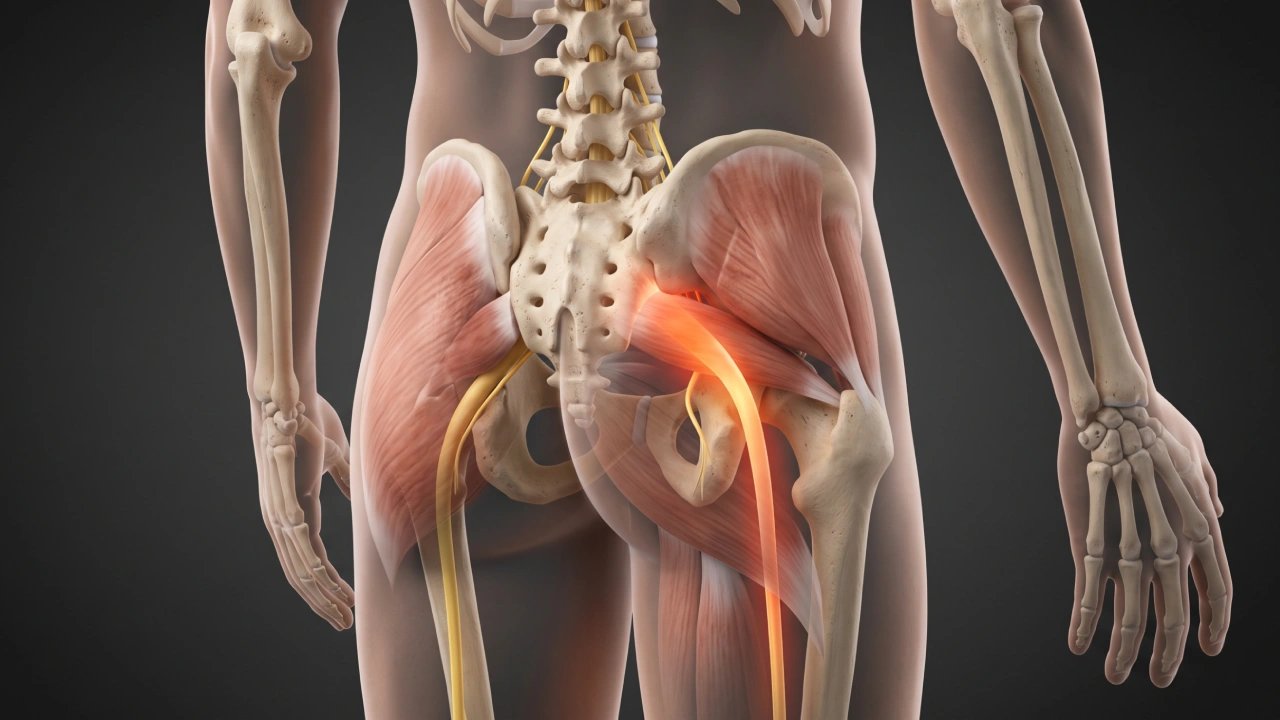
Sciatica Sciatica refers to pain caused by irritation or compression of the sciatic nerve, which extends from the lower back through the hips and buttocks to each leg.
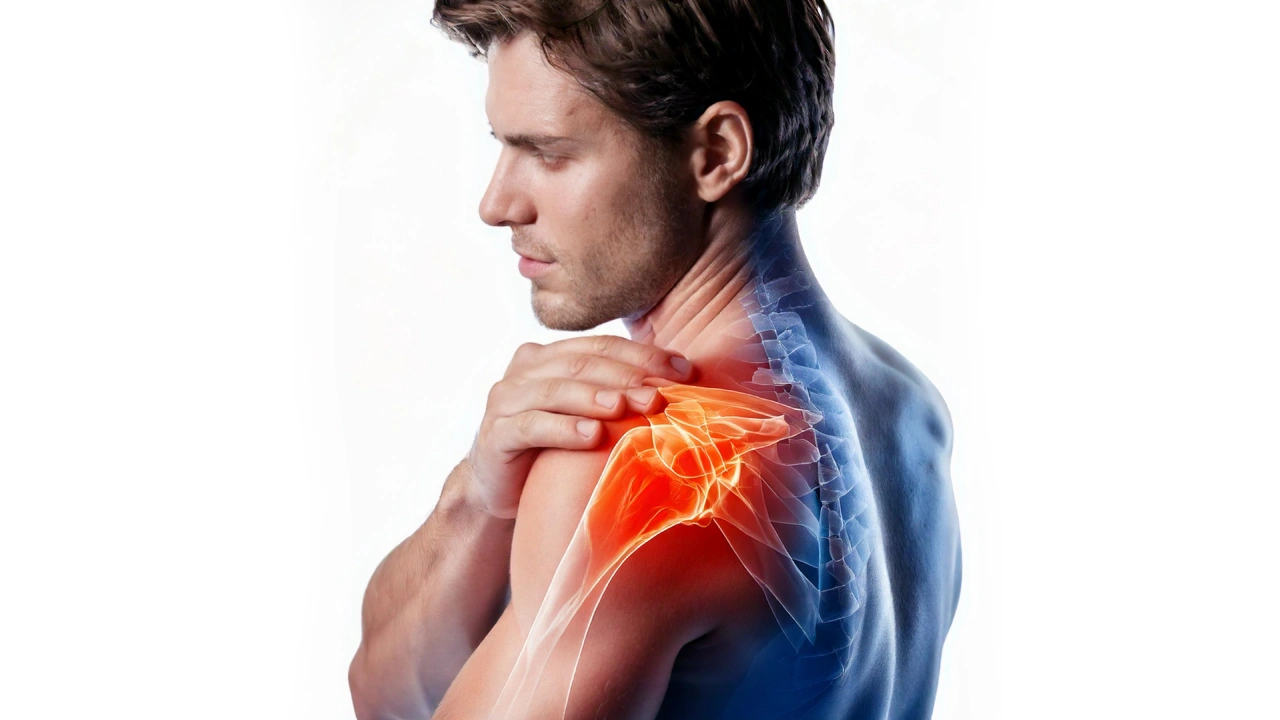
Rotator Cuff Injuries The rotator cuff is a group of four muscles and their tendons that surround the shoulder joint. These structures help keep the upper arm bone in place while allowing the shoulder to rotate and lift.
Frozen Shoulder Frozen shoulder, also known as adhesive capsulitis, is a condition that causes pain, stiffness, and restricted movement in the shoulder joint.
Tendon Injuries Tendon injuries occur when the tissue connecting a muscle to a bone sustains damage or becomes irritated. These injuries can develop suddenly during physical activity or gradually because of repetitive movements, excessive loading, or insufficient recovery between activities.
Ligament Sprain A sudden twist, awkward landing, or unexpected fall can leave you dealing with swelling, tenderness, and difficulty moving a joint.
Muscle Strain A muscle strain occurs when muscle fibres or the tendons connecting muscles to bones become overstretched or damaged. It can develop suddenly after an awkward movement or gradually through repeated physical stress.
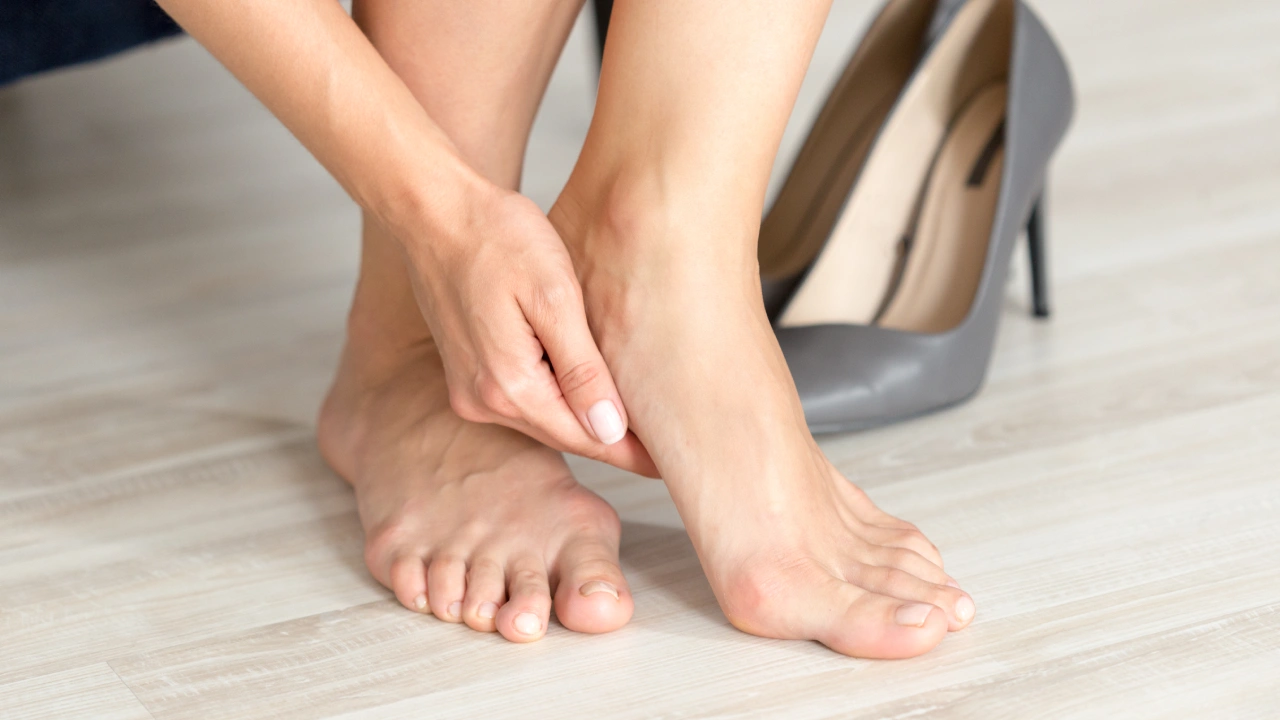
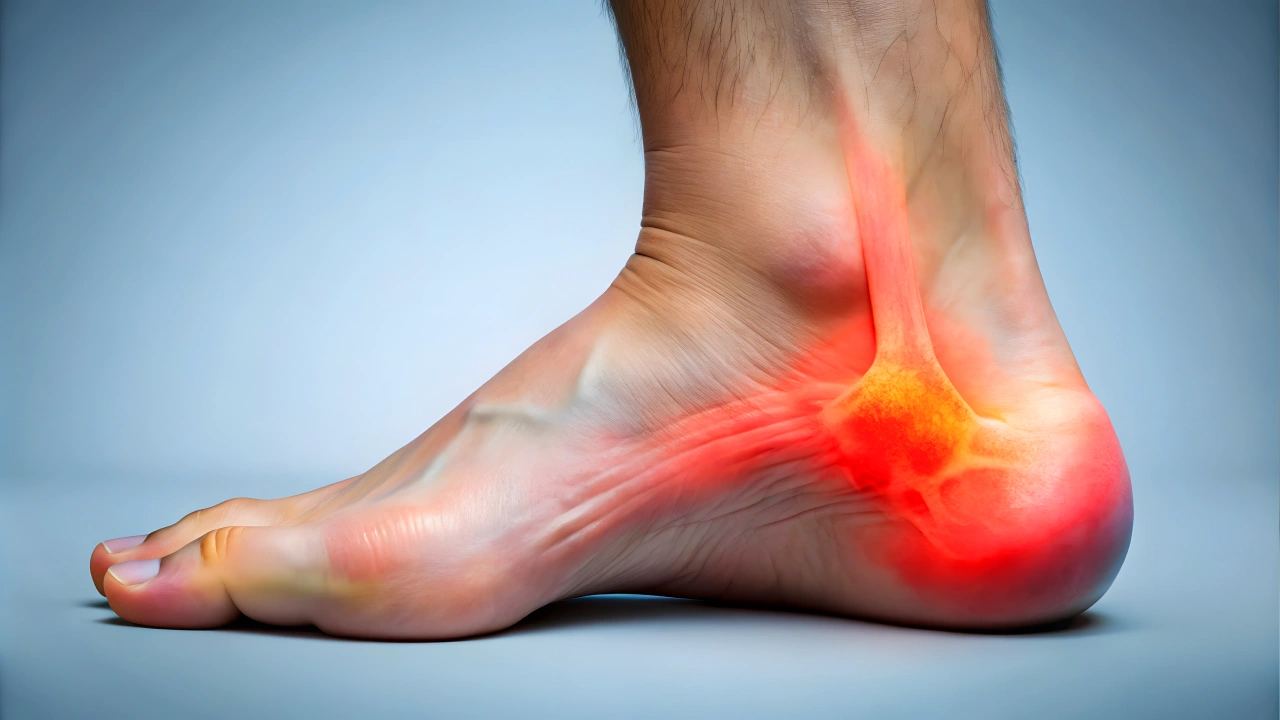
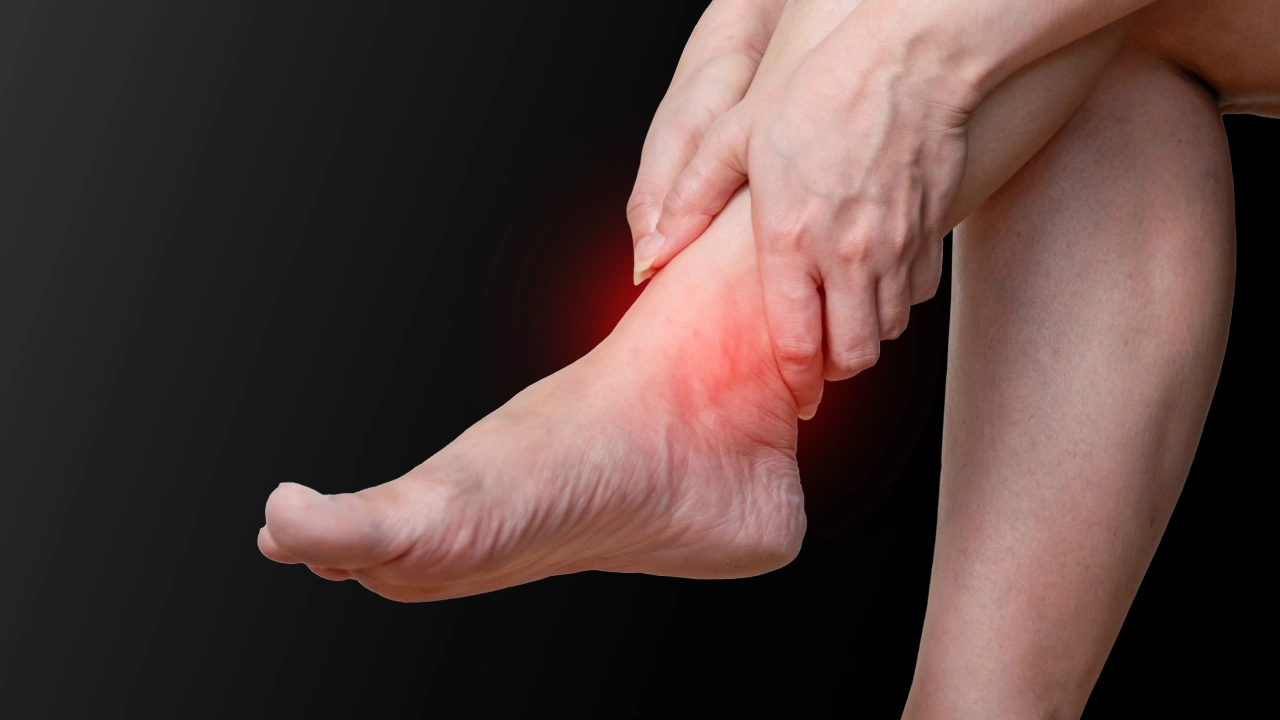
Foot Pain Foot pain can develop due to overuse, injuries, footwear choices, changes in foot mechanics, or certain medical conditions.
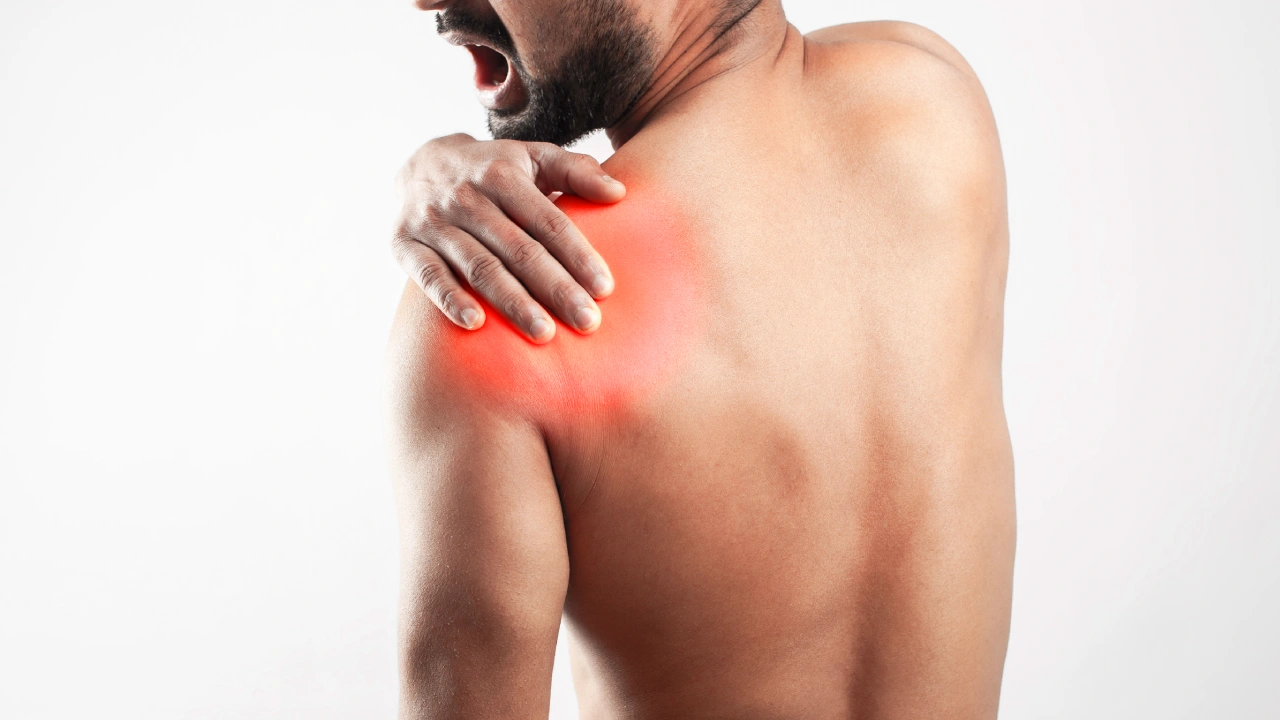
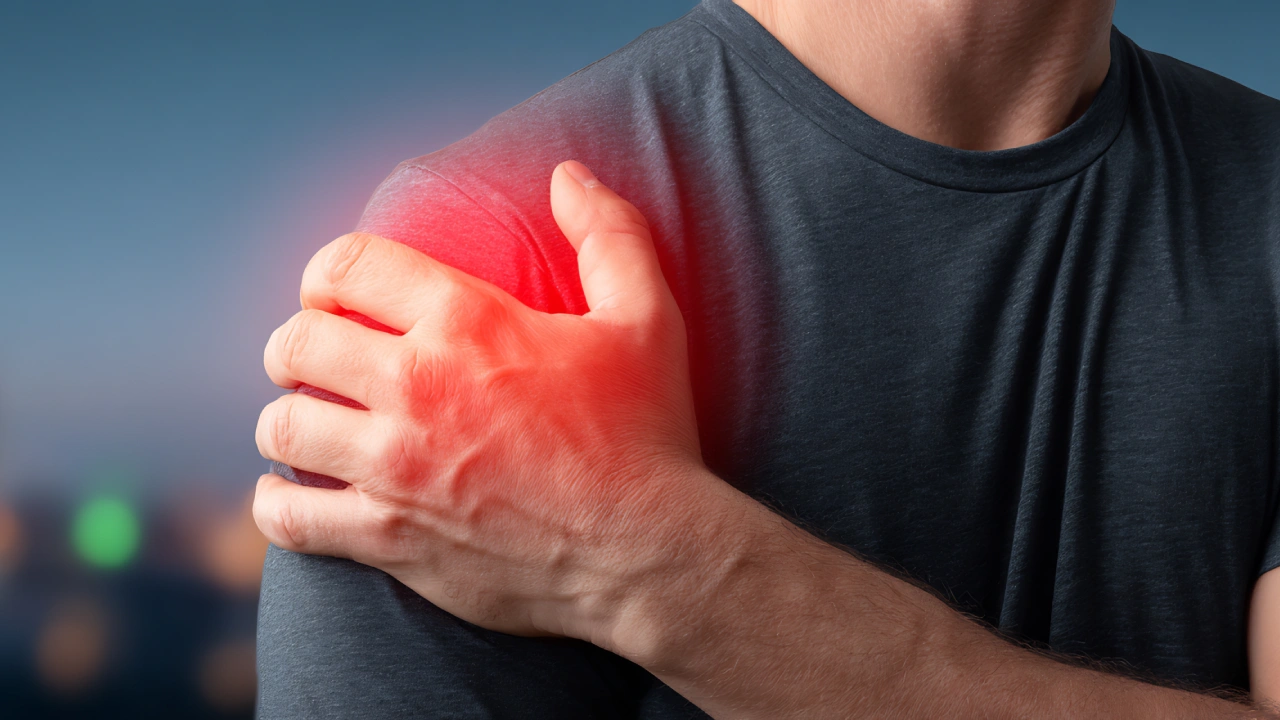
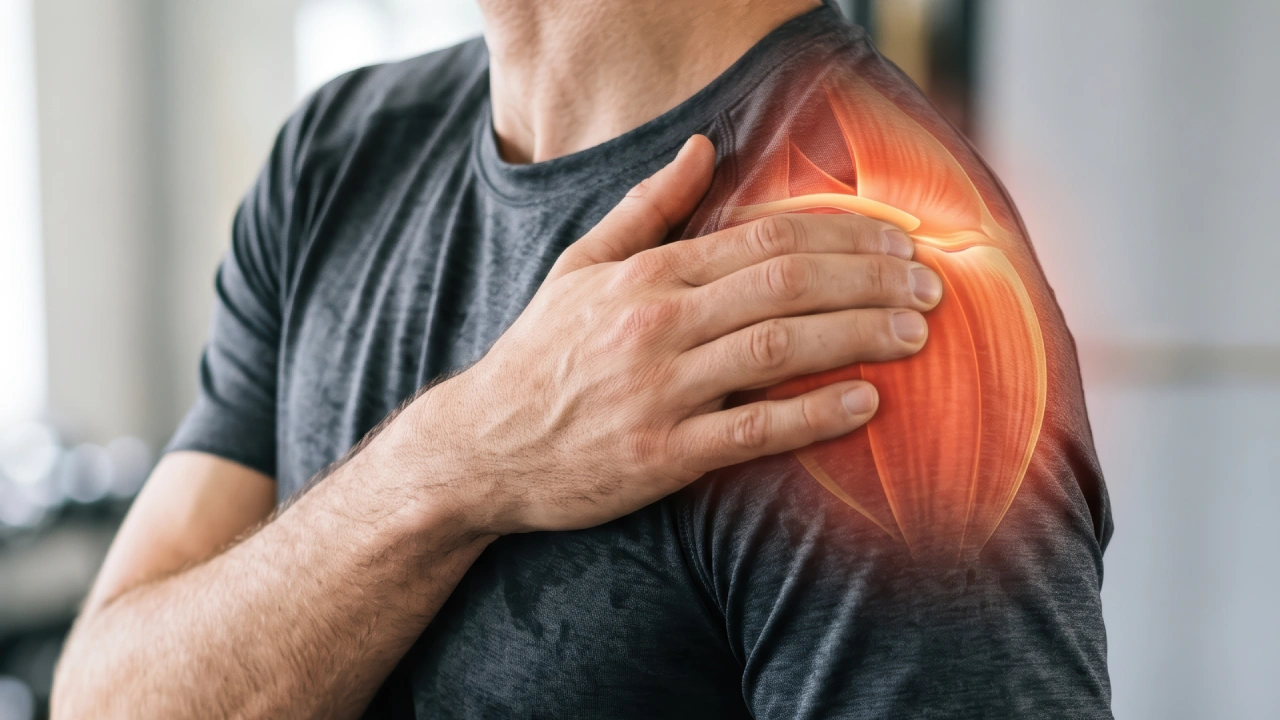
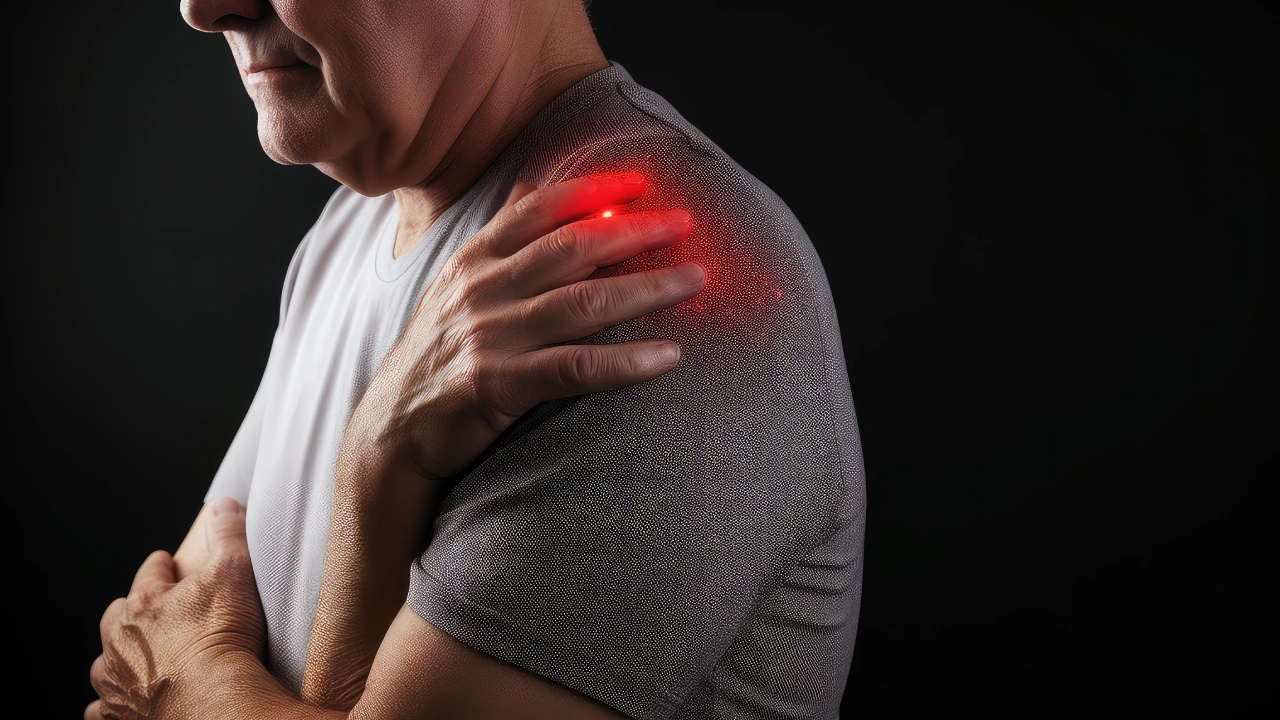
Shoulder Pain The shoulder is a complex joint that relies on muscles, tendons, ligaments, and surrounding structures to support a wide range of movements.
Back Pain Back pain can develop suddenly after lifting a heavy object or gradually due to repeated movements, prolonged sitting, muscle strain, or changes in spinal structures.
Shoulder Impingement Syndrome Shoulder impingement syndrome occurs when tissues around the shoulder joint become compressed or irritated during arm movements
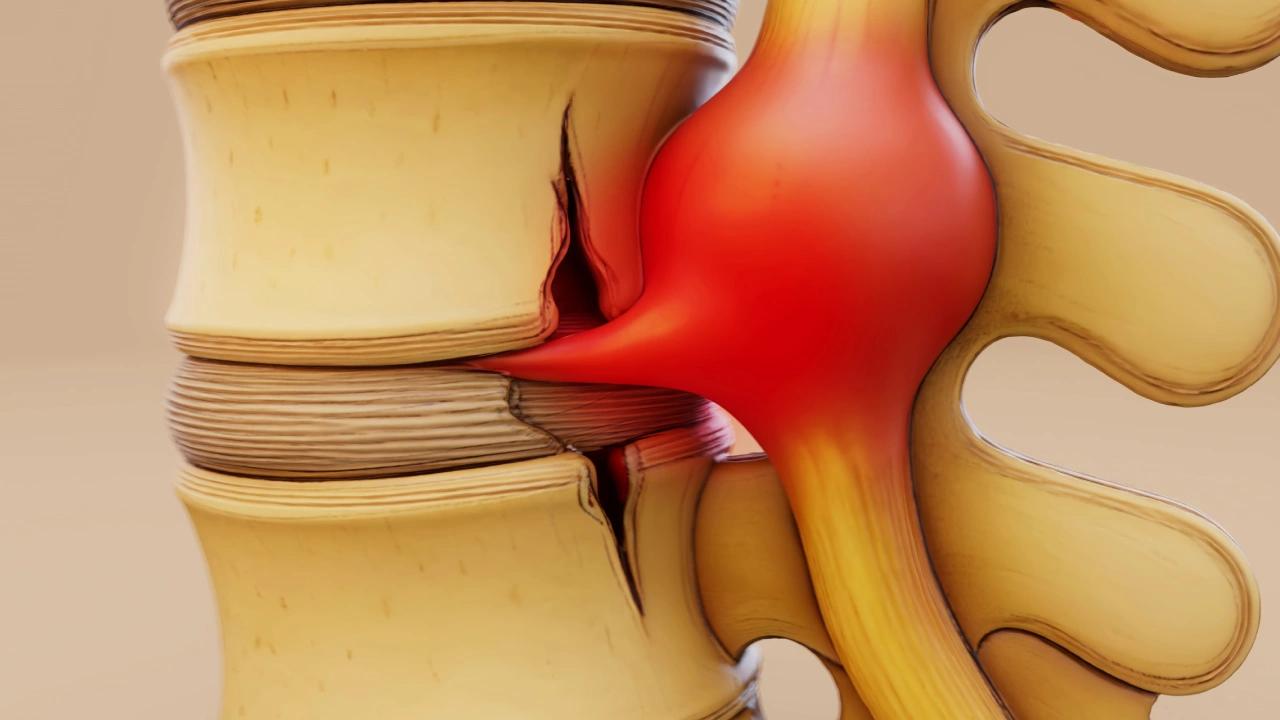
Bulging Disc A bulging disc occurs when a disc extends beyond its usual boundary, often due to age-related changes, repeated strain, or gradual wear.
Herniated Disc The spine contains small cushioning discs between its vertebrae. Each disc has a soft, gel-like centre surrounded by a tougher outer layer.
Disc-Related Conditions Disc-related conditions affect the small, flexible structures between the bones of your spine.
Shoulder Bursitis Shoulder bursitis occurs when the small, fluid-filled sacs called bursae become inflamed
Knee Bursitis Bursae are small, fluid-filled sacs located between bones, tendons, muscles, and skin. They reduce friction and allow surrounding tissues to move smoothly during physical activity.
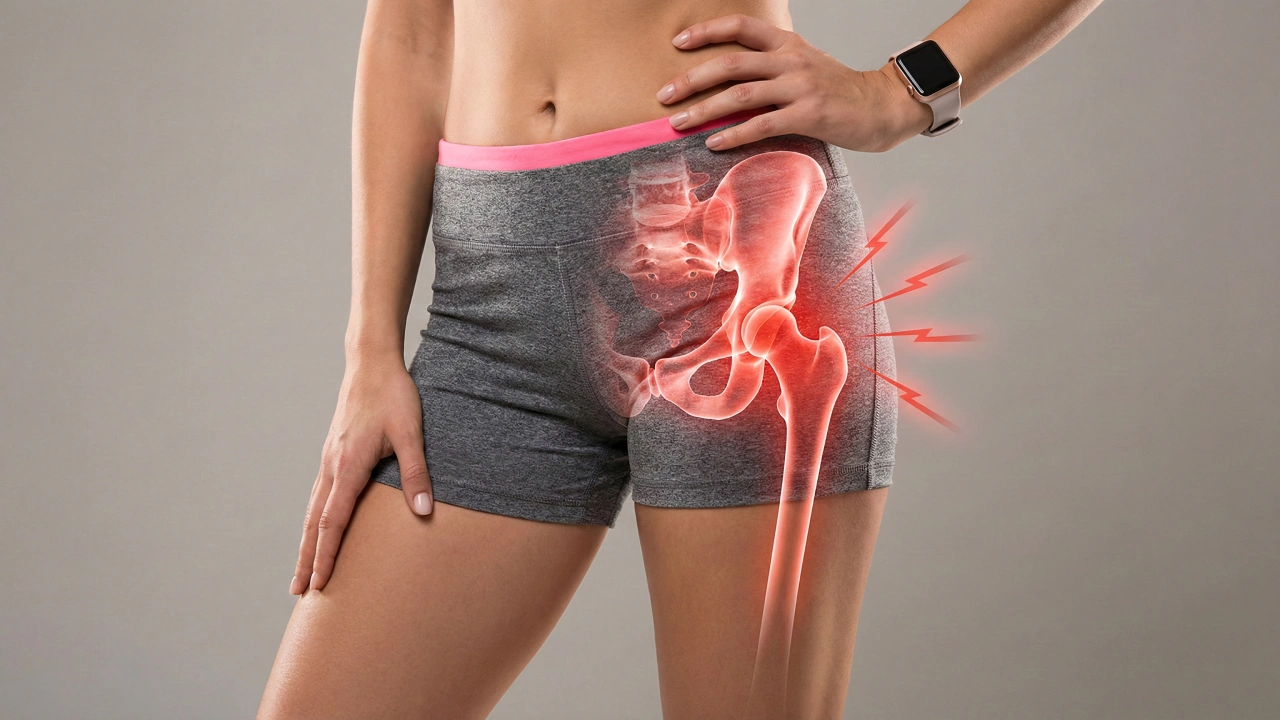
Hip Bursitis Bursae are small sacs containing fluid that reduce friction between bones, tendons, and muscles. Several bursae surround the hip, but the trochanteric bursa, located over the bony prominence on the outside of the hip, is a common site of irritation.
Bursitis and Impingement Syndrome Bursitis occurs when a bursa becomes inflamed. A bursa is a small, fluid-filled sac that cushions tissues around joints, helping tendons, muscles, and bones move against one another with less friction.
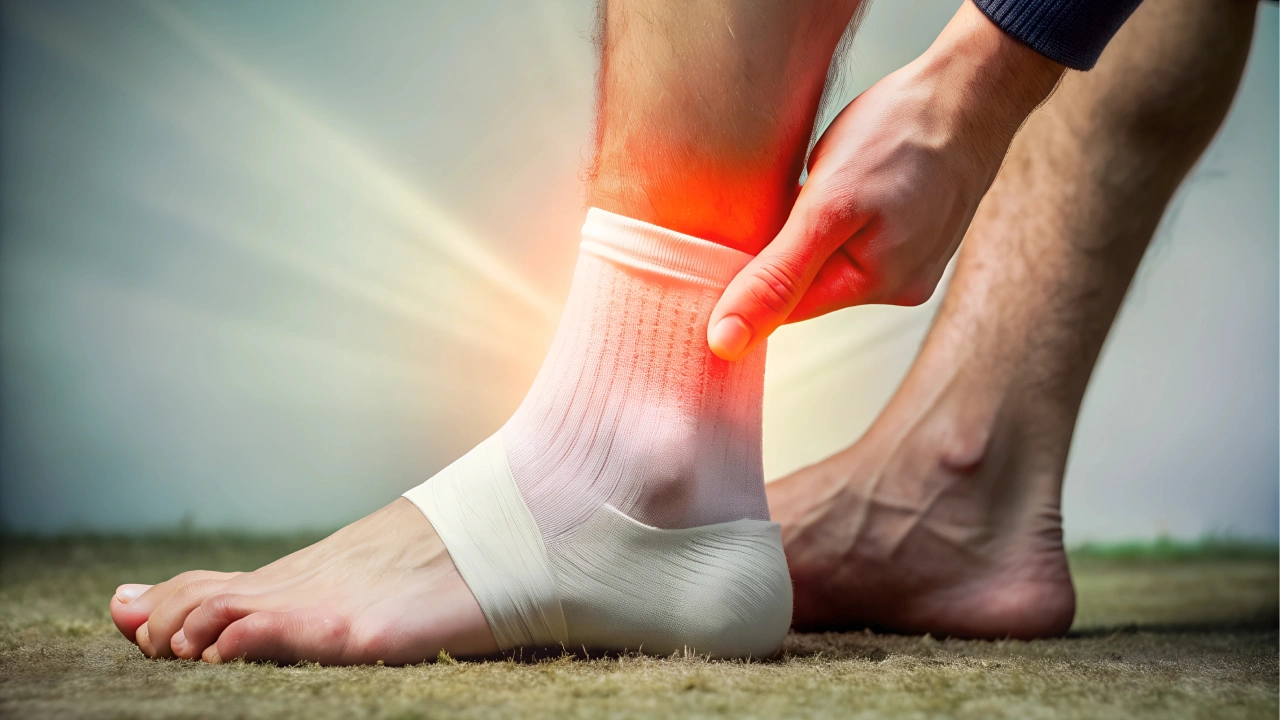
Ankle Strains An ankle strain occurs when a muscle or tendon around the ankle is stretched beyond its usual capacity or develops small tears. Tendons connect muscles to bones, allowing the foot and ankle to move during walking, running, jumping, and other activities.
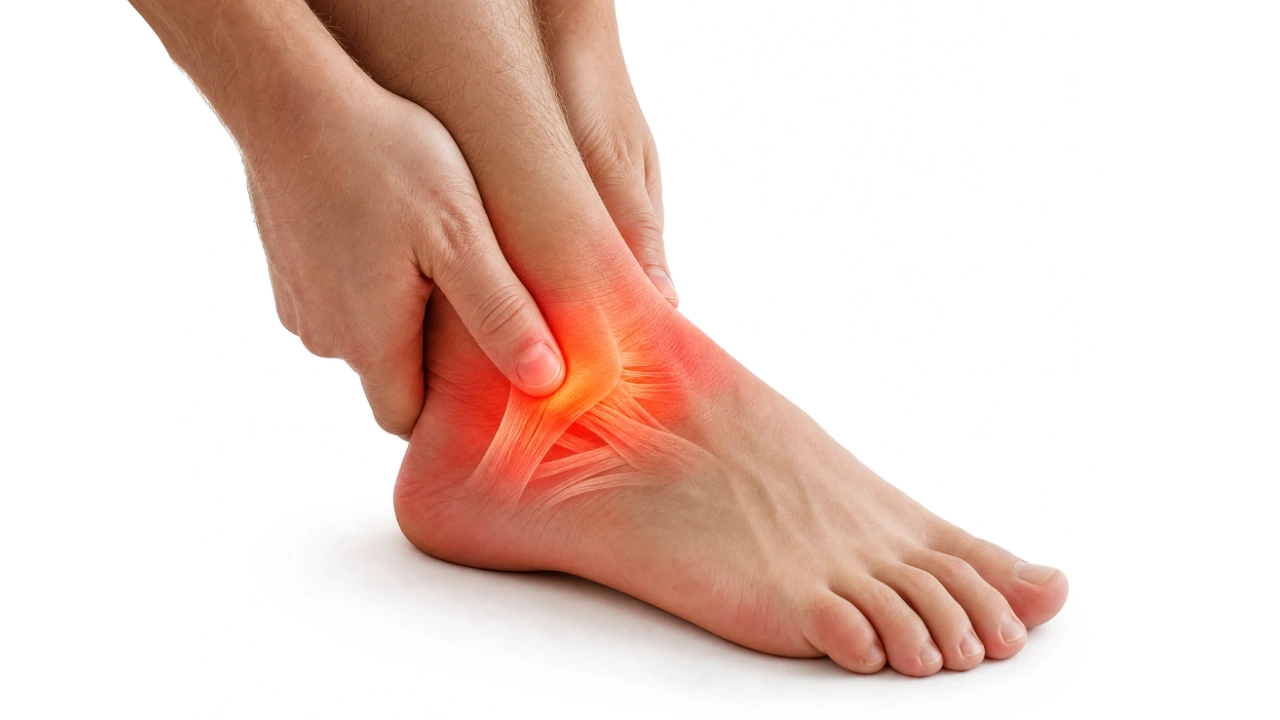
Ankle Sprains An ankle sprain occurs when the ligaments connecting the bones in your ankle stretch beyond their normal range or tear.
Sprains and Strains Sprains and strains are common injuries that affect muscles, tendons, and ligaments. They can occur during sports, exercise, household activities, or everyday movements.
Golfer’s Elbow Golfer’s elbow in Markham, medically known as medial epicondylitis, affects the tendons connecting the forearm muscles to the inner part of the elbow.
Tennis Elbow Tennis elbow is a condition that affects the tendons on the outer side of the elbow. It develops when the tendons connecting the forearm muscles to the elbow become irritated, often due to repeated gripping, lifting, twisting, or wrist movements.
Elbow Tendon Conditions Elbow tendon conditions affect the tissues that connect muscles to bones around the elbow joint. These tendons help control movements such as bending, straightening, gripping, and rotating the forearm.
Ankle Tendinitis Ankle tendinitis occurs when a tendon around the ankle becomes irritated, often due to repetitive movement, increased physical activity, or excessive strain.
Hip Tendinitis Hip tendinitis refers to irritation or inflammation of the tendons connecting muscles to bones around the hip joint.
Shoulder Tendinitis Shoulder tendinitis occurs when one or more tendons around the shoulder become irritated or inflamed. Tendons connect muscles to bones and help the shoulder move through its wide range of motion.
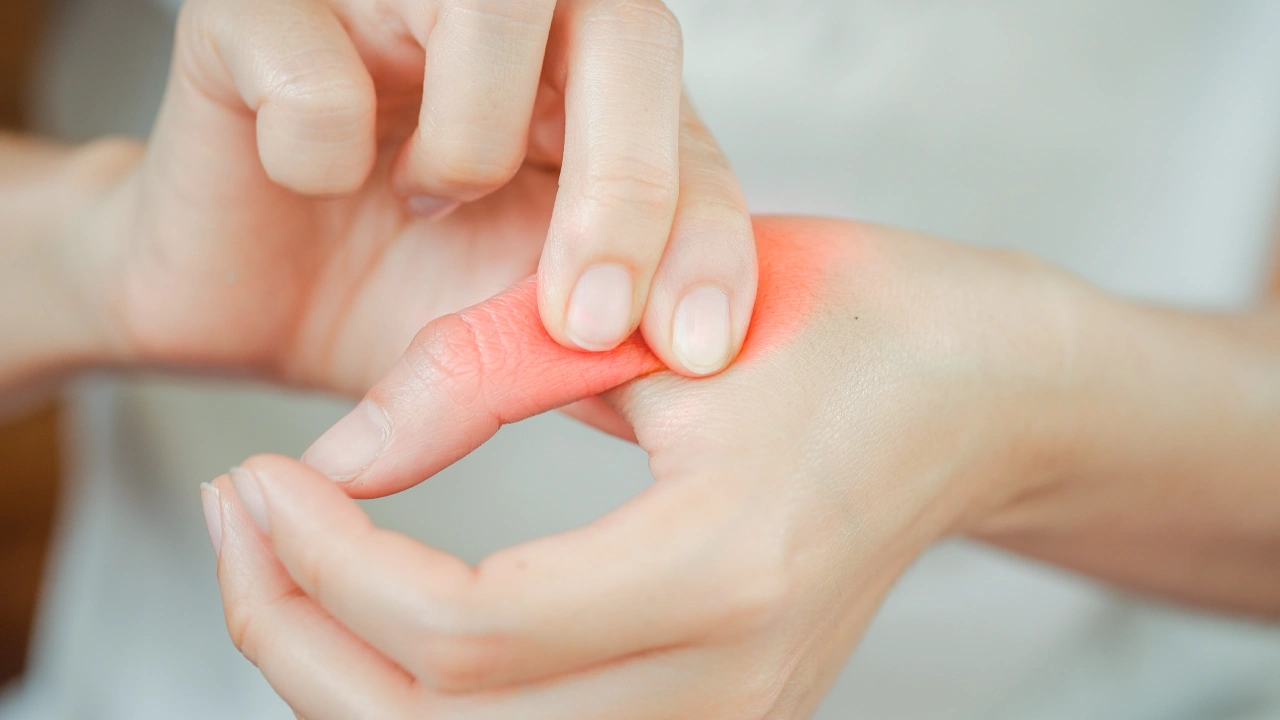
Thumb Tendinitis Thumb tendinitis occurs when the tendons that control thumb movement become irritated, often due to repetitive activities, excessive gripping, or repeated bending and twisting motions.
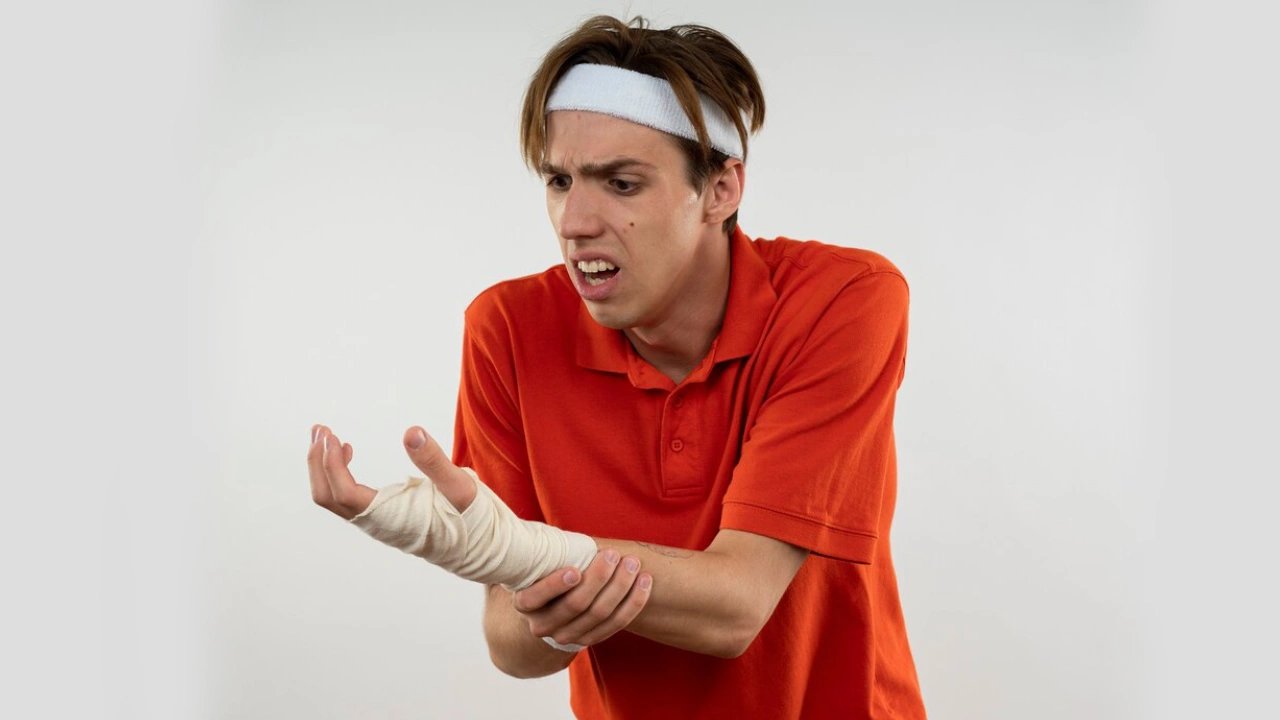
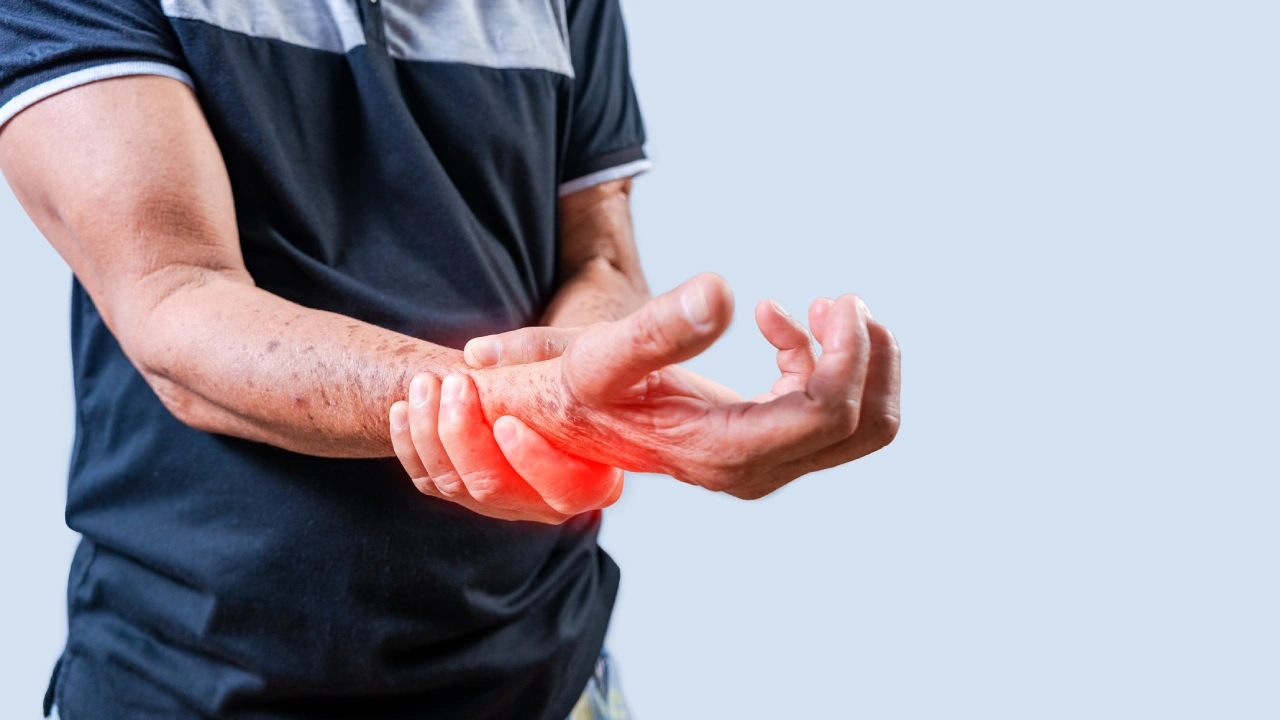
Wrist Tendinitis Wrist tendinitis occurs when the tendons around the wrist become irritated or inflamed, often due to repeated movements, excessive strain, or sudden increases in physical activity.
Tendinitis Tendinitis occurs when a tendon becomes irritated, often causing pain, tenderness, swelling, and difficulty moving the affected area. Tendons connect muscles to bones and help transfer force during everyday movements, exercise, and physical work.
Back-Related Arthritis Back-related arthritis can affect how you sit, stand, bend, twist, and carry out everyday activities. It commonly involves changes in the joints of the spine, including the small facet joints that help control spinal movement.
Shoulder Arthritis Shoulder arthritis in Markham refers to a condition in which the cartilage within the shoulder joint wears down or becomes damaged.
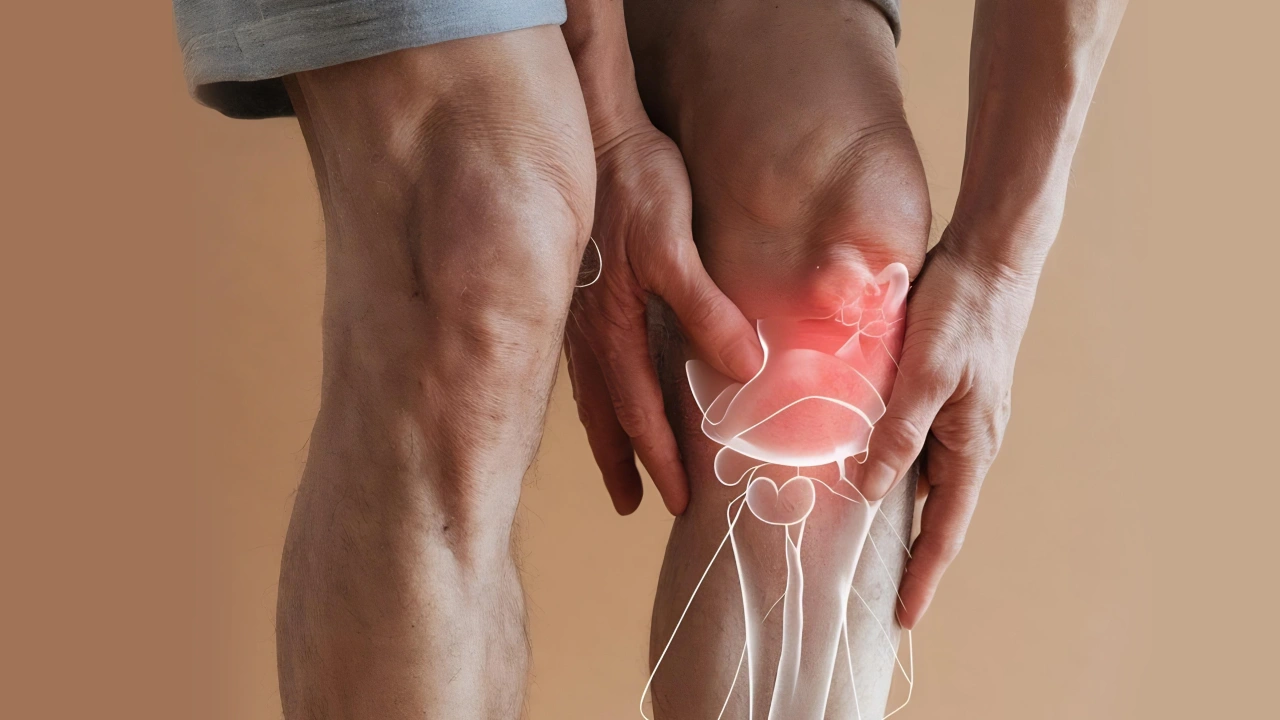
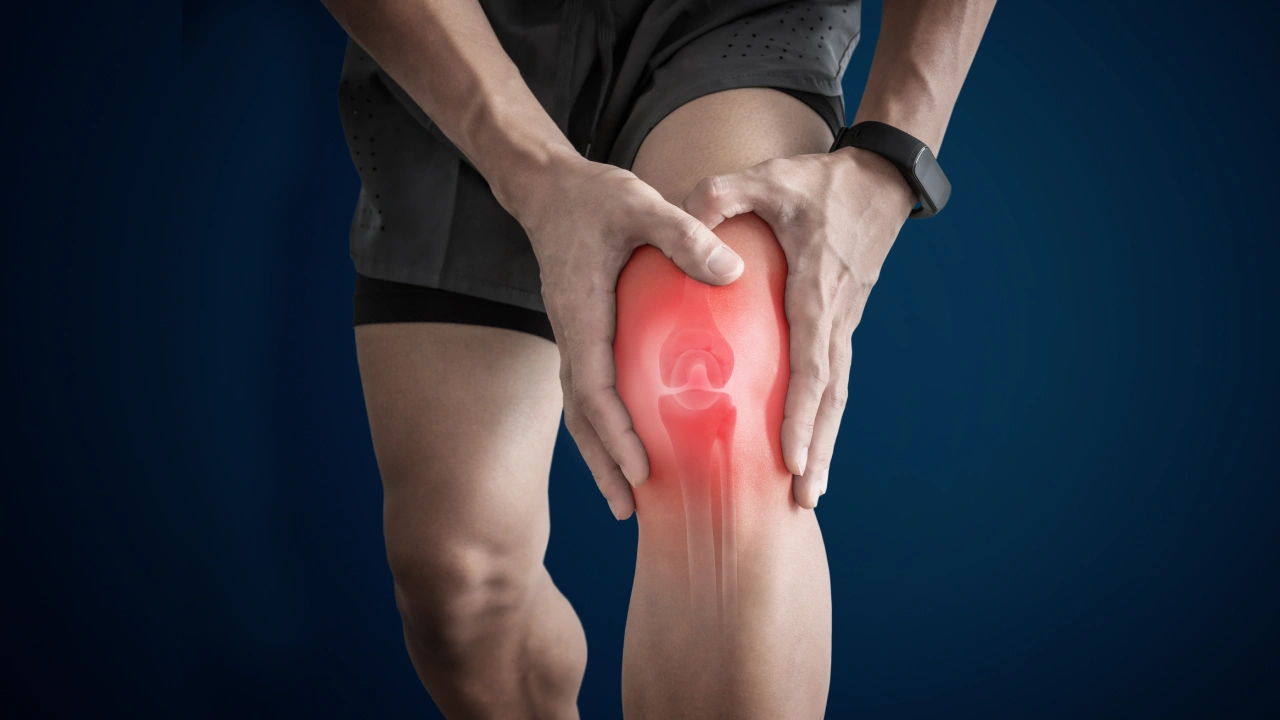
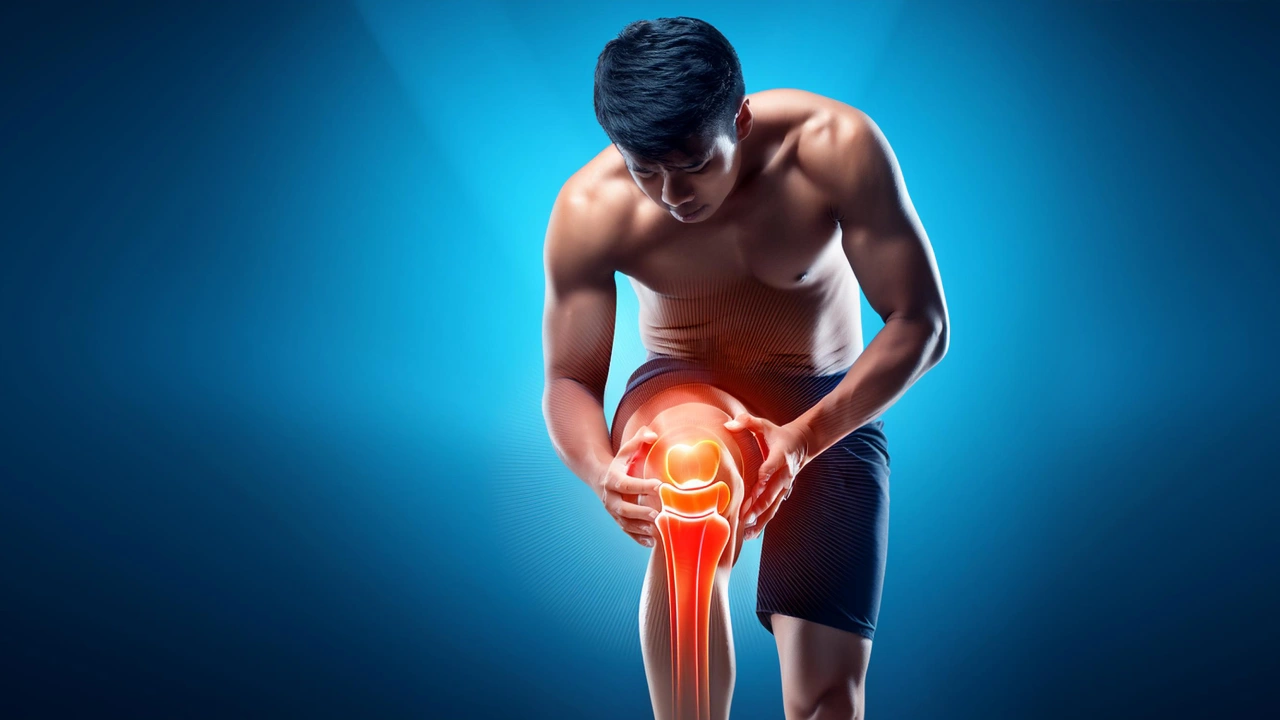
Knee Arthritis Knee arthritis is a condition that affects the cartilage and other structures within the knee joint, causing discomfort, stiffness, swelling, and difficulty with everyday movements.
Arthritis Arthritis refers to a group of conditions that affect the joints. It can involve cartilage deterioration, inflammation, or changes in the tissues surrounding a joint.
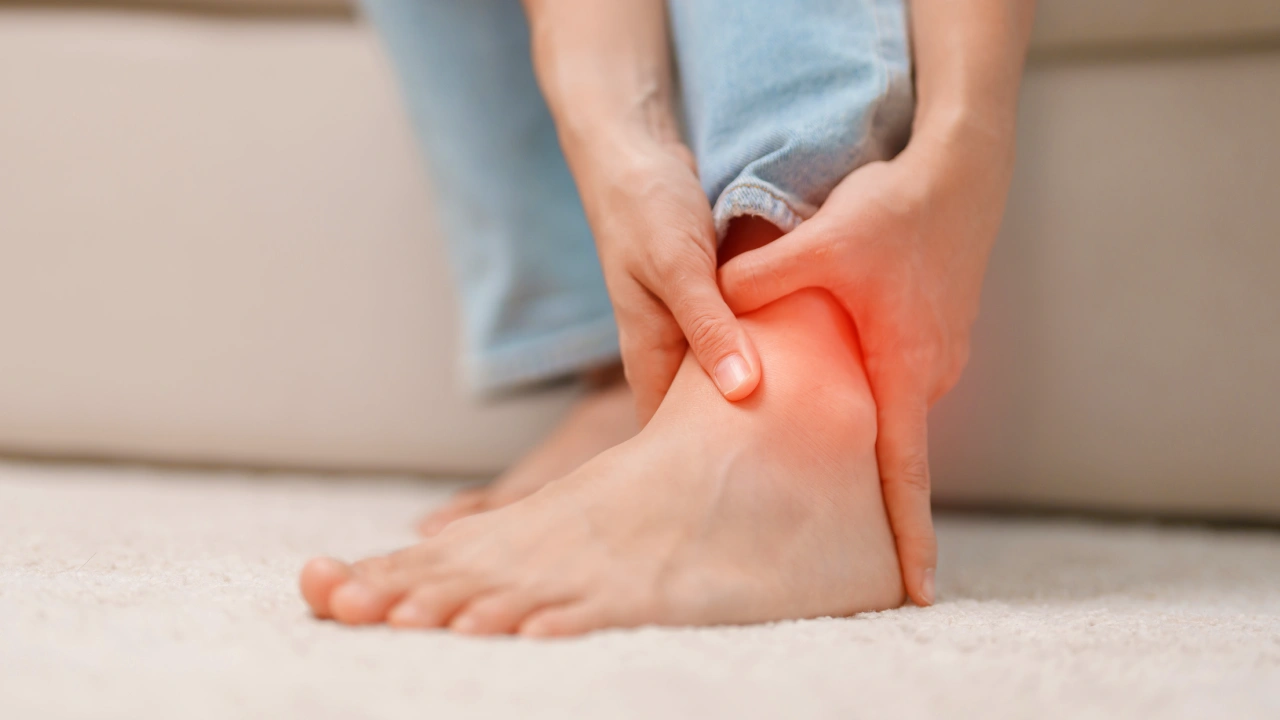
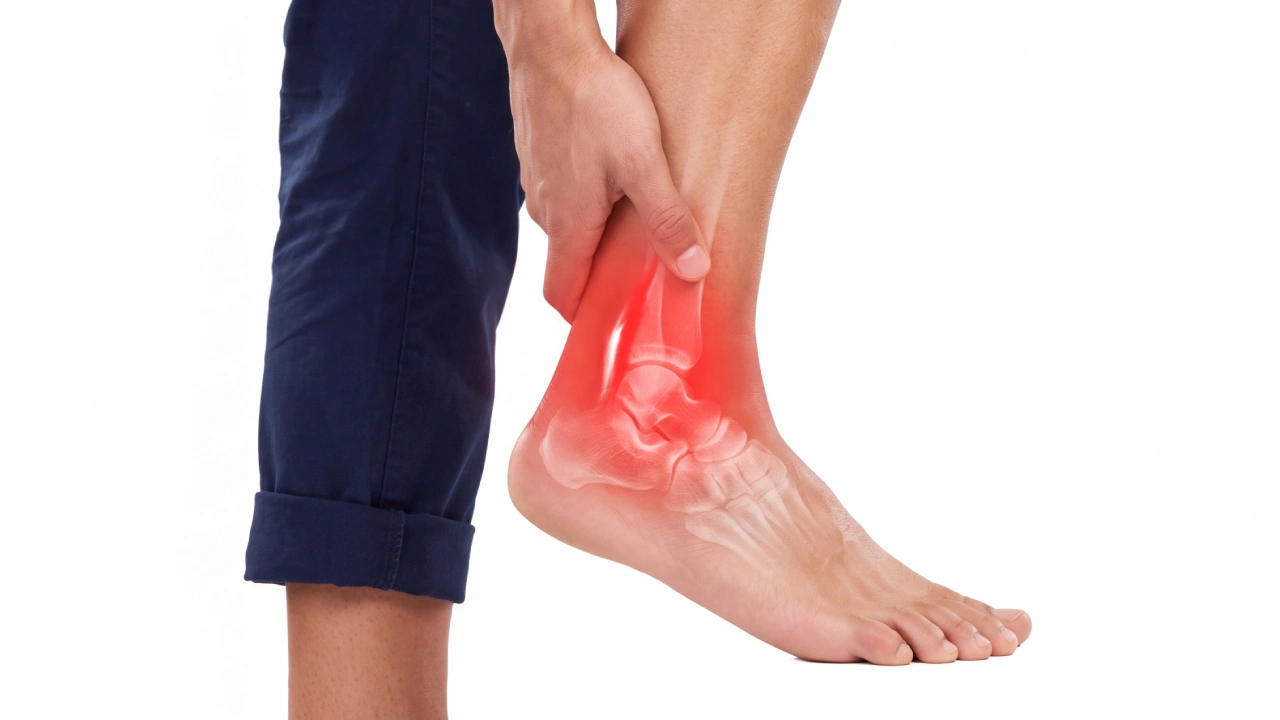
Ankle Pain Ankle pain can make everyday activities such as walking, climbing stairs, standing for extended periods, and exercising difficult.
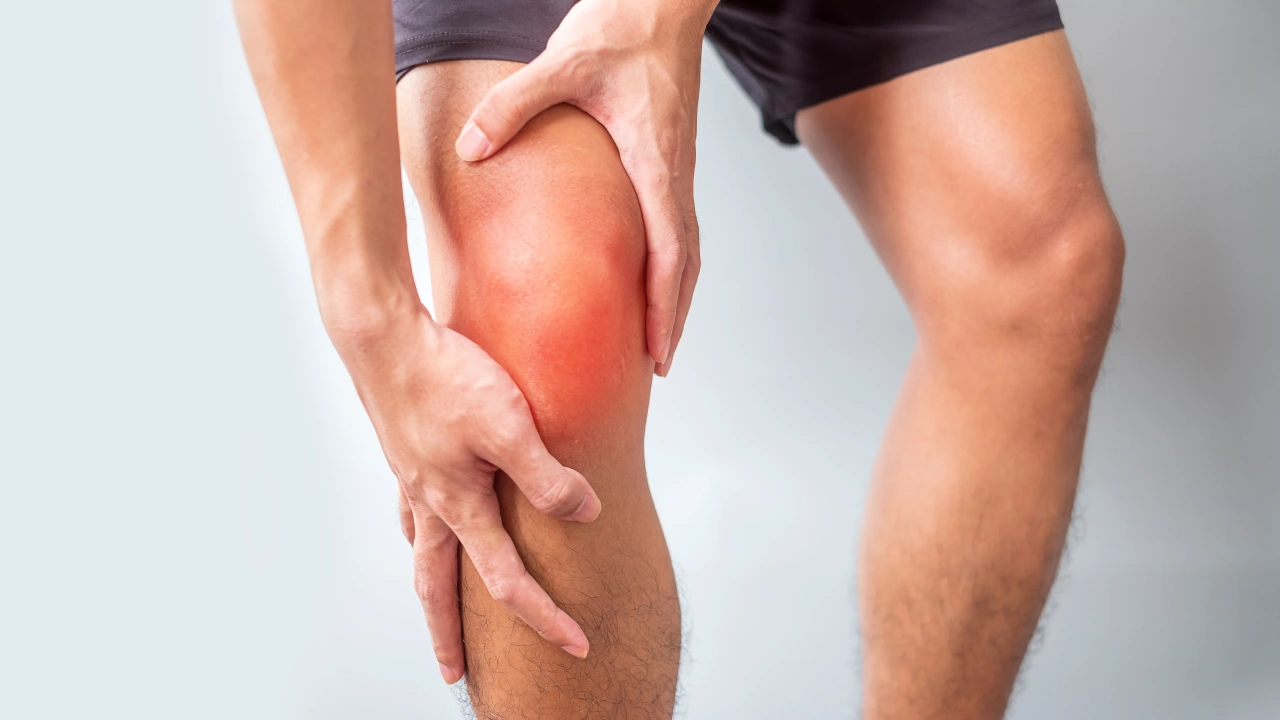
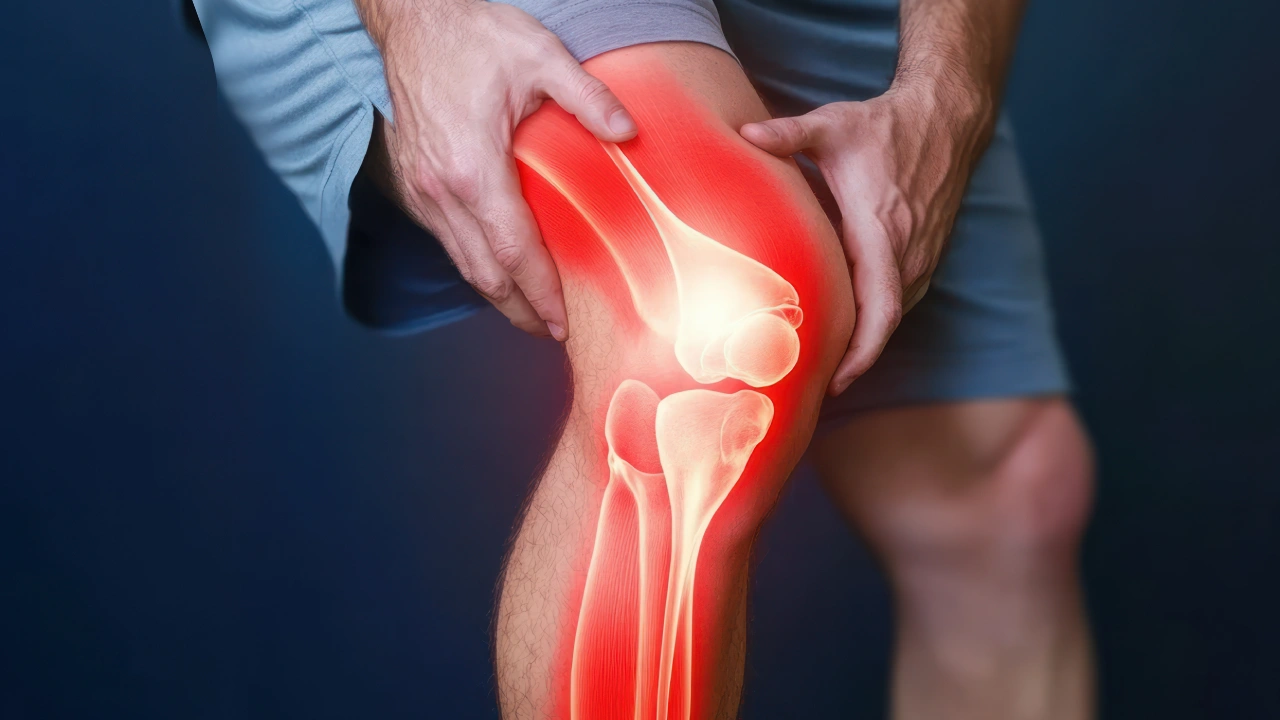
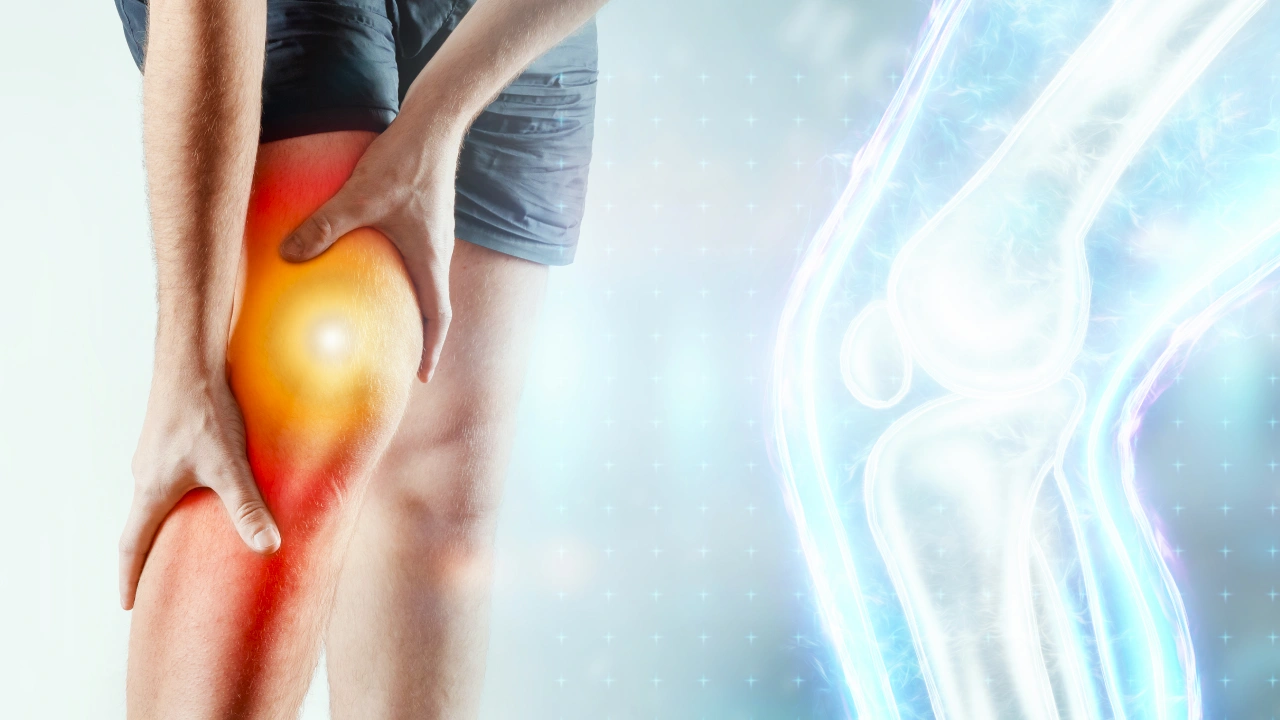
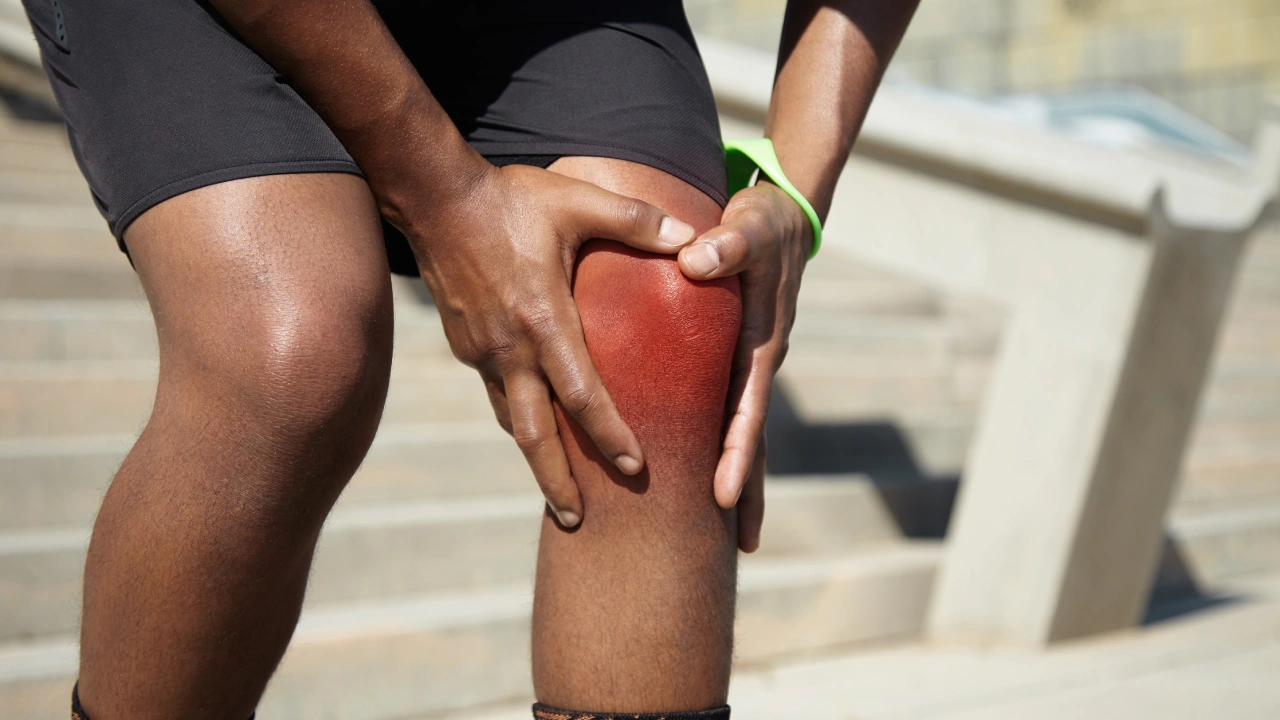
Knee Pain Knee pain can affect walking, climbing stairs, standing for extended periods, and participating in everyday activities.
Hip Pain Hip pain in Markham can affect walking, sitting, standing, climbing stairs, and participating in everyday activities.
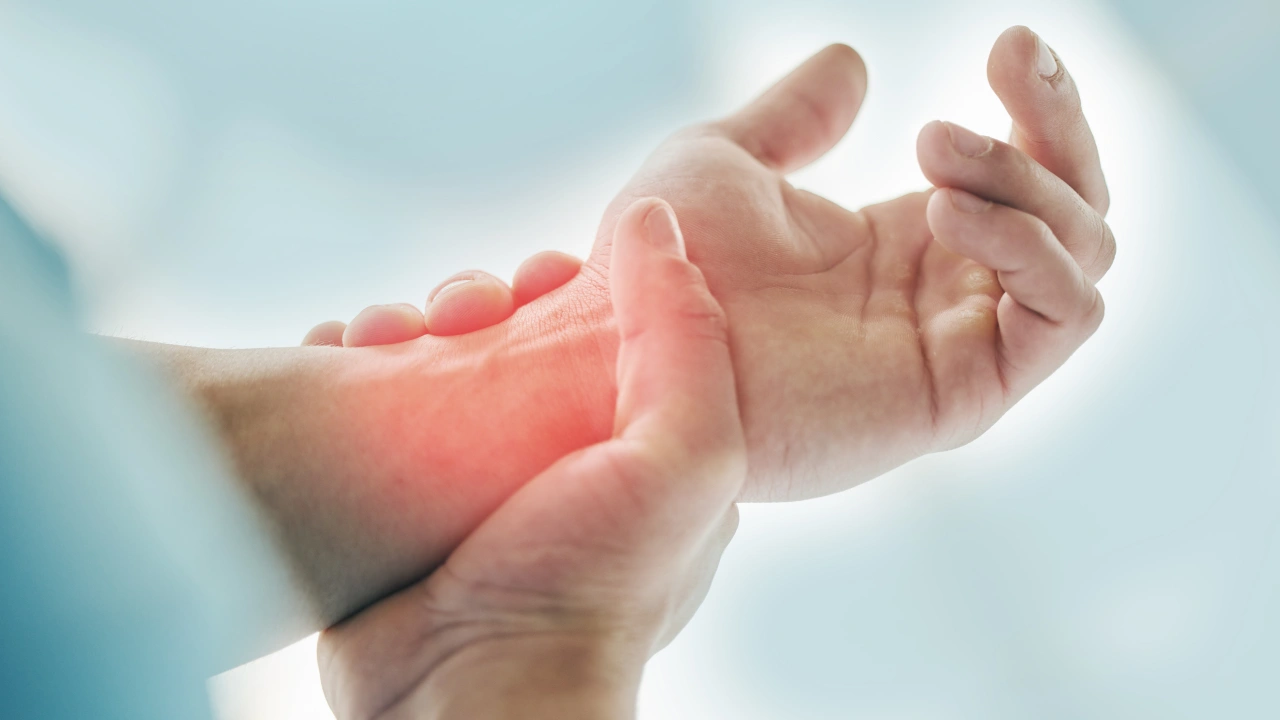
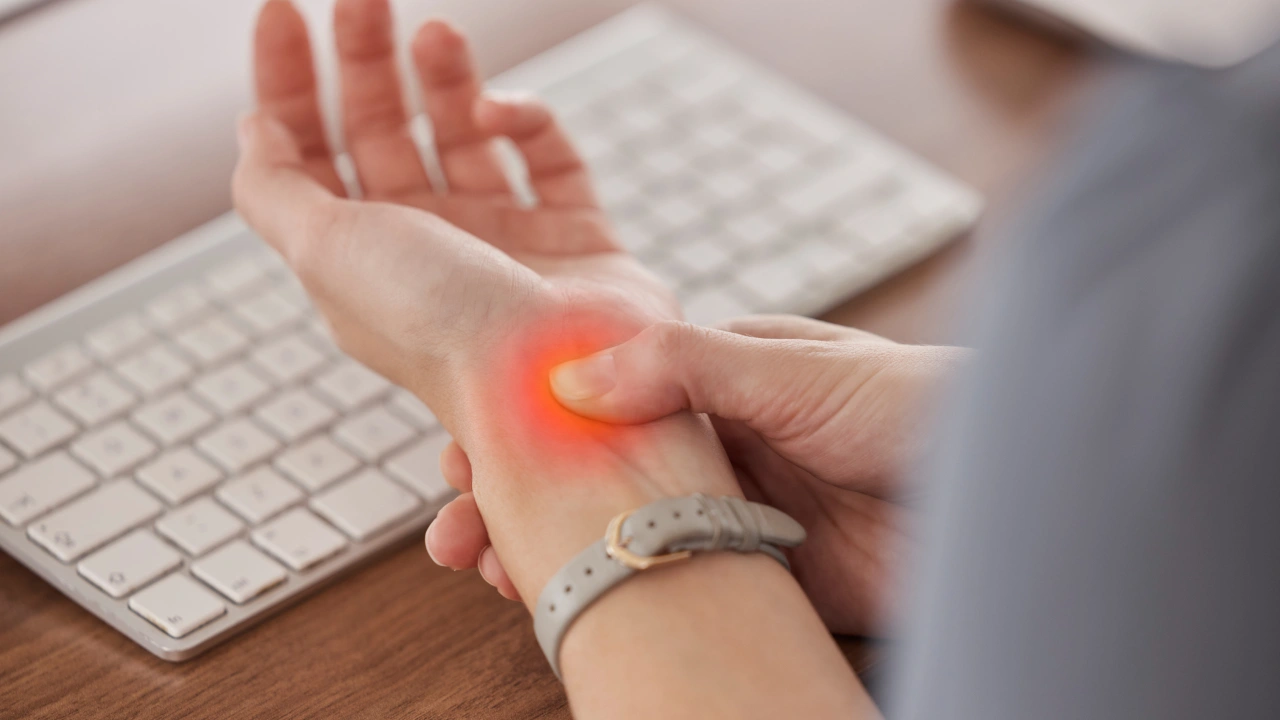
Wrist Pain Wrist pain can make everyday activities difficult, from typing on a computer and using a phone to lifting objects, cooking, or performing repetitive tasks.
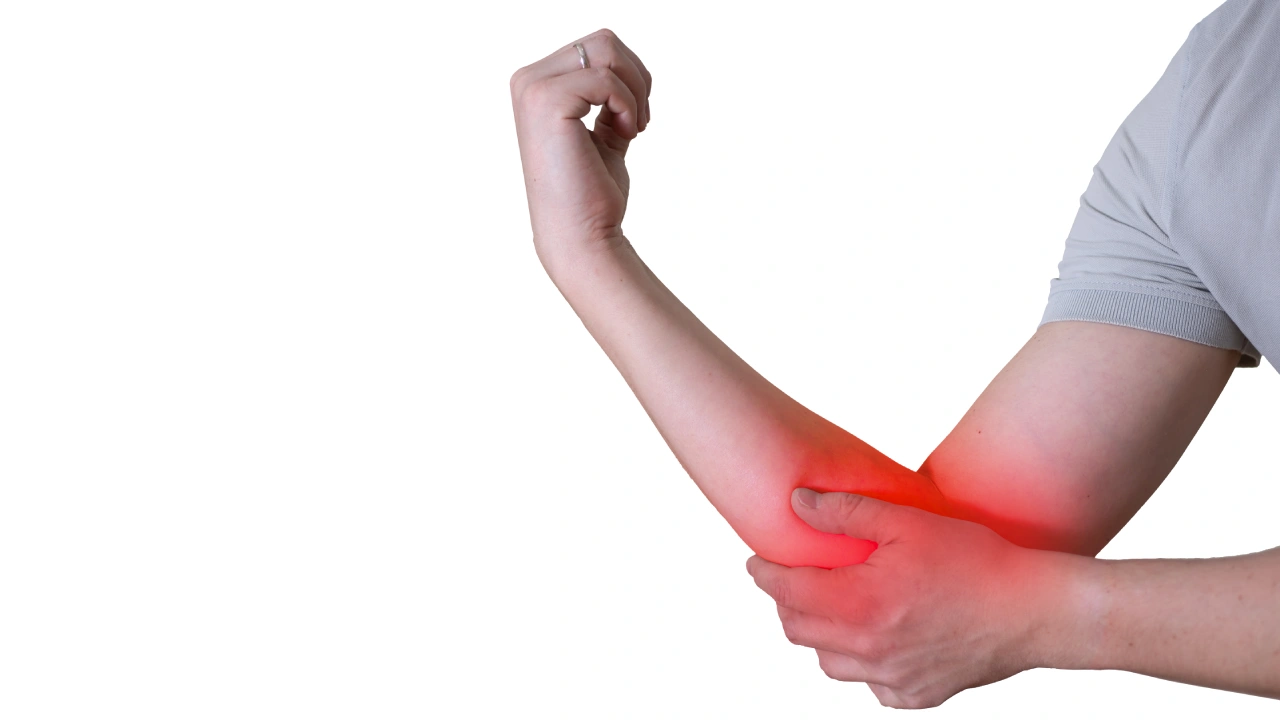
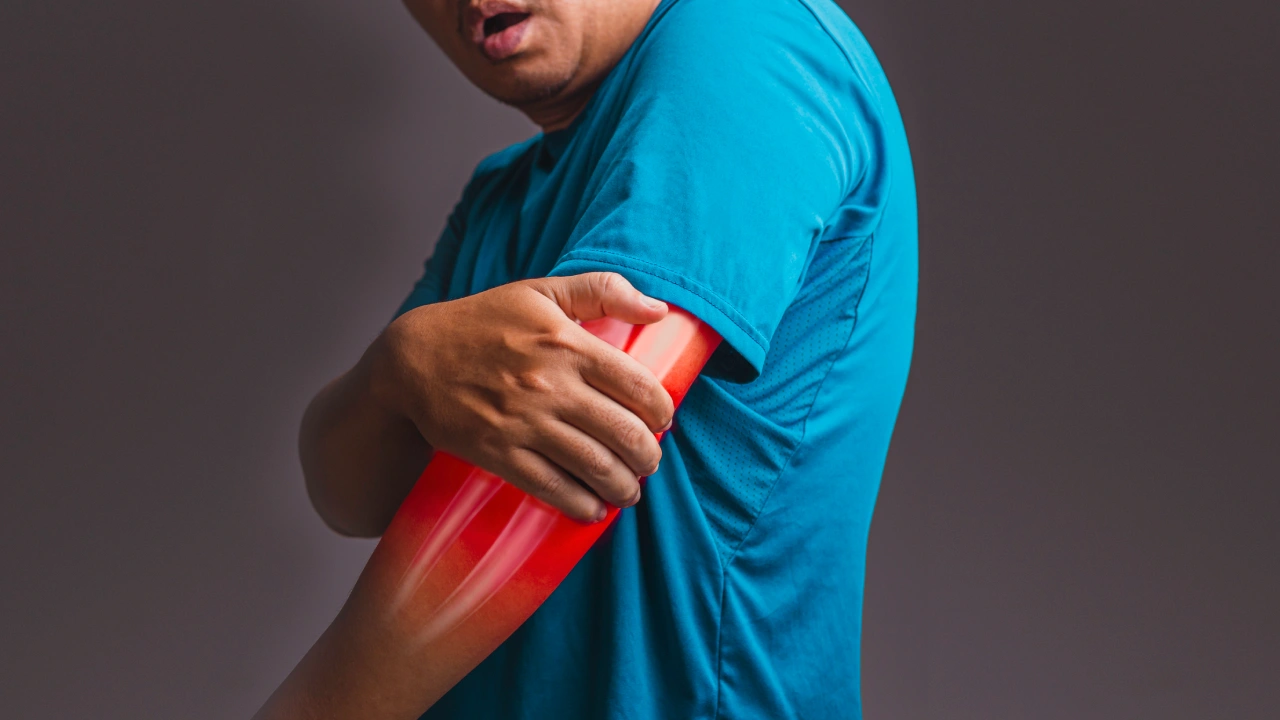
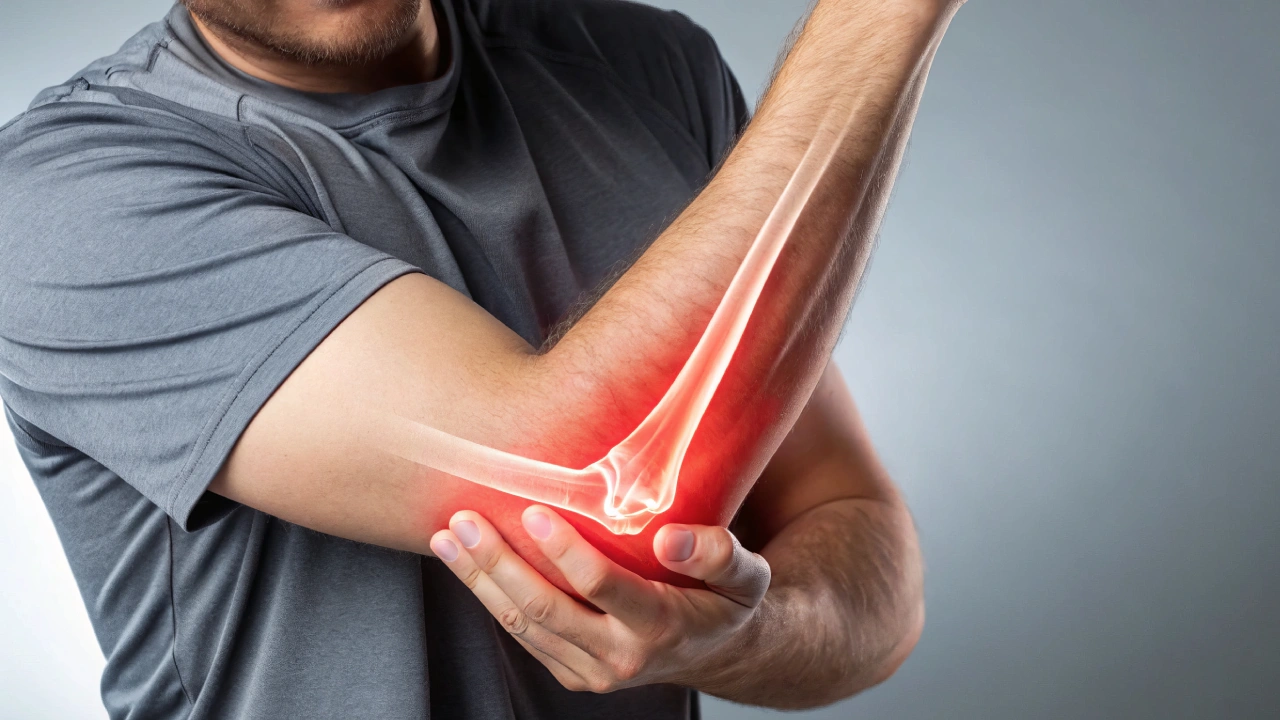
Elbow Pain Elbow pain can affect everyday activities such as lifting objects, typing, cooking, exercising, or carrying shopping bags.
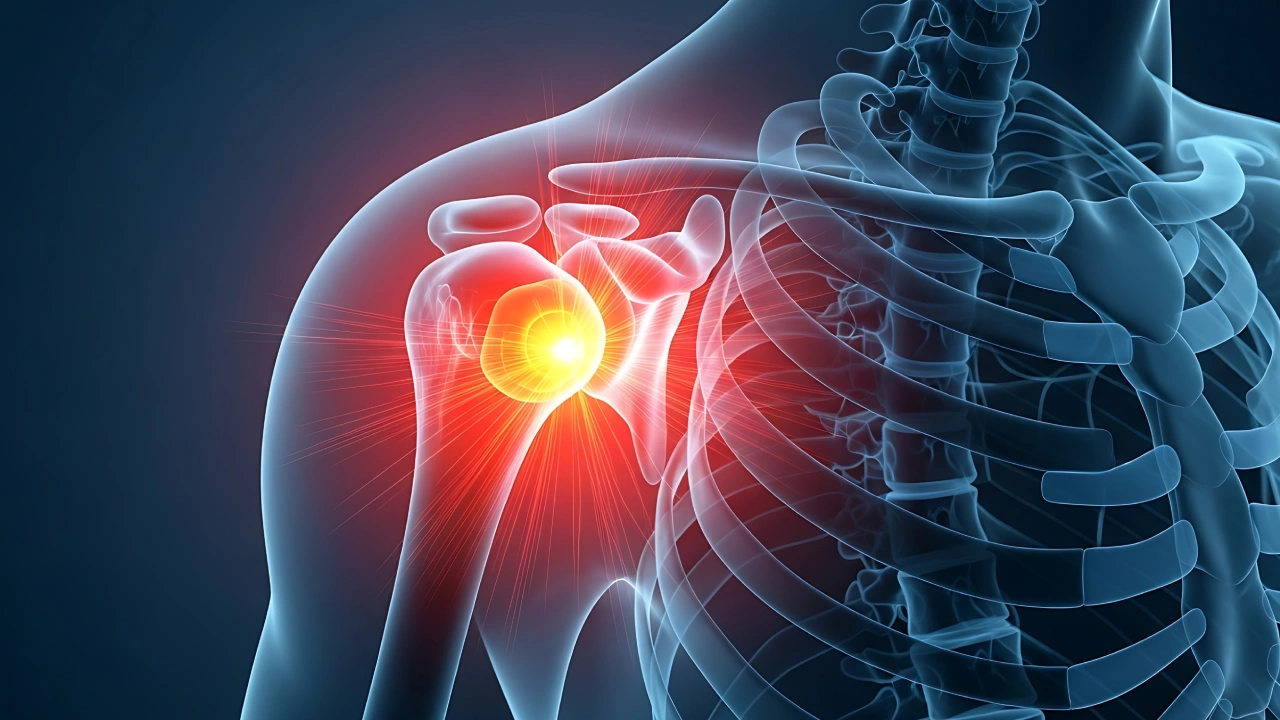
Shoulder Joint Pain Shoulder joint pain can affect everyday activities such as lifting your arm, reaching overhead, getting dressed, carrying groceries, or sleeping comfortably.
Joint Pain Revive Wellness Clinic provides physiotherapy for joint pain affecting the shoulders, elbows, wrists, hips, knees, ankles, fingers, and toes.
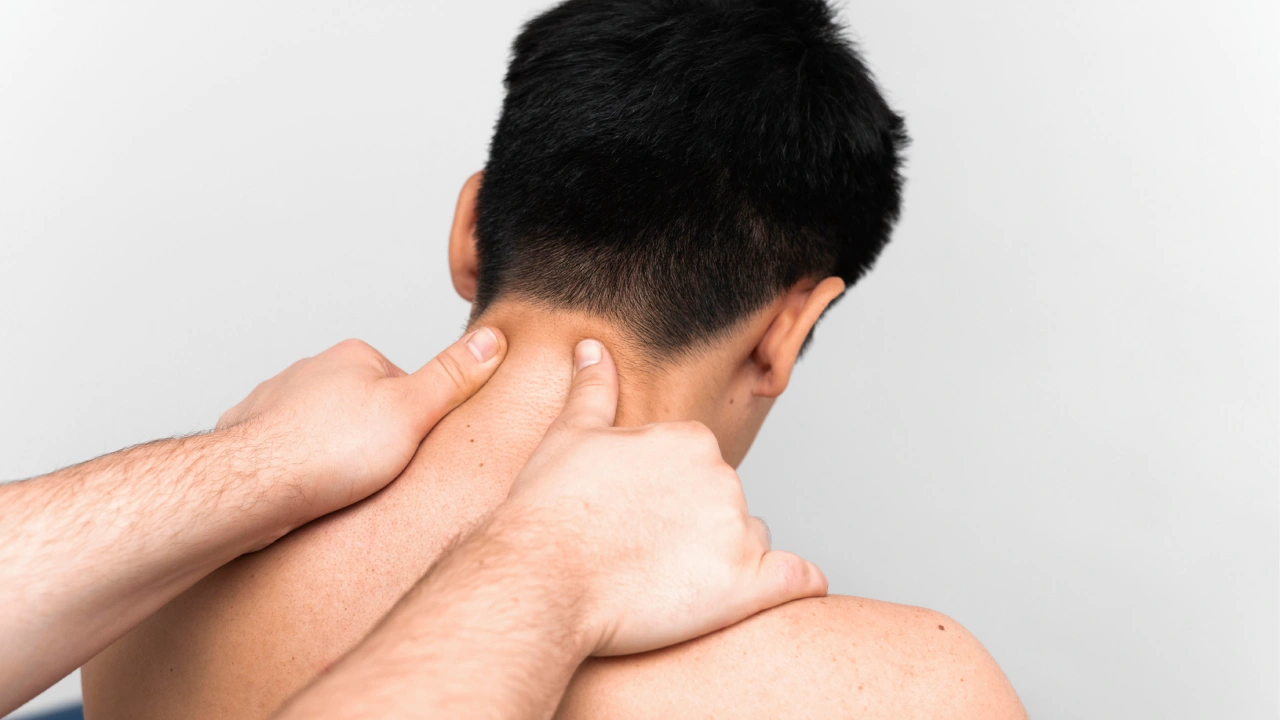
Neck Pain Our physiotherapy service focuses on understanding the factors contributing to your knee symptoms and developing an individualised treatment approach based on your condition, lifestyle and recovery goals.