Elbow Tendon Conditions

Elbow Tendon Conditions
Elbow tendon conditions can make everyday activities such as lifting a bag, typing on a computer, gripping a tool, or playing sports uncomfortable. These conditions often develop when the tendons connecting the forearm muscles to the elbow become irritated from repetitive movements, excessive strain, or sudden increases in physical activity. At Revive Wellness Clinic, we assess elbow-related concerns and provide physiotherapy care based on each person’s symptoms, movement patterns, and daily activities.
What Are Elbow Tendon Conditions?
Elbow tendon conditions affect the tissues that connect muscles to bones around the elbow joint. These tendons help control movements such as bending, straightening, gripping, and rotating the forearm. Repeated stress can cause irritation, tenderness, and reduced strength.
Two common conditions are tennis elbow and golfer’s elbow. Although their names refer to sports, they can affect anyone who performs repetitive arm movements at work, at home, or during exercise.
Common Types of Elbow Tendon Conditions
Tennis Elbow
Tennis elbow, medically known as lateral epicondylitis or lateral elbow tendinopathy, affects the tendons on the outer side of the elbow. It commonly develops from repeated wrist extension, gripping, and lifting activities.
Common symptoms include:
- Pain or tenderness on the outer elbow.
- Discomfort when gripping objects or shaking hands.
- Pain when lifting a cup, bag, or other household item.
- Reduced grip strength.
- Increased discomfort during repetitive wrist movements.
Golfer’s Elbow
Golfer’s elbow, also called medial epicondylitis or medial elbow tendinopathy, affects the tendons attached to the inner side of the elbow. Activities involving repeated wrist flexion, forearm rotation, or forceful gripping may contribute to this condition.
Symptoms may include:
- Tenderness along the inner elbow.
- Pain when bending the wrist or gripping objects.
- Discomfort when turning a doorknob.
- Weakness during lifting activities.
- Pain that extends into the forearm.
Elbow Tendon Strain
An elbow tendon strain can occur after a sudden increase in physical effort, lifting a heavy object, or performing an unfamiliar movement. Symptoms vary depending on the extent of tissue irritation and may include tenderness, swelling, and discomfort during movement. Sudden severe pain, significant swelling, or an inability to move the arm warrants prompt medical assessment.
What Causes Elbow Tendon Problems?
Elbow tendon conditions can develop through repeated loading without sufficient recovery time. Common contributing factors include repetitive computer work, manual labour, racquet sports, weight training, gardening, and frequent lifting.
Poor lifting mechanics, sudden changes in training intensity, and reduced forearm strength may also contribute. In some cases, symptoms develop gradually without one identifiable injury.
Identifying the activities that trigger discomfort helps guide decisions about exercise, workload, and movement adjustments.
How Physiotherapy Can Help?
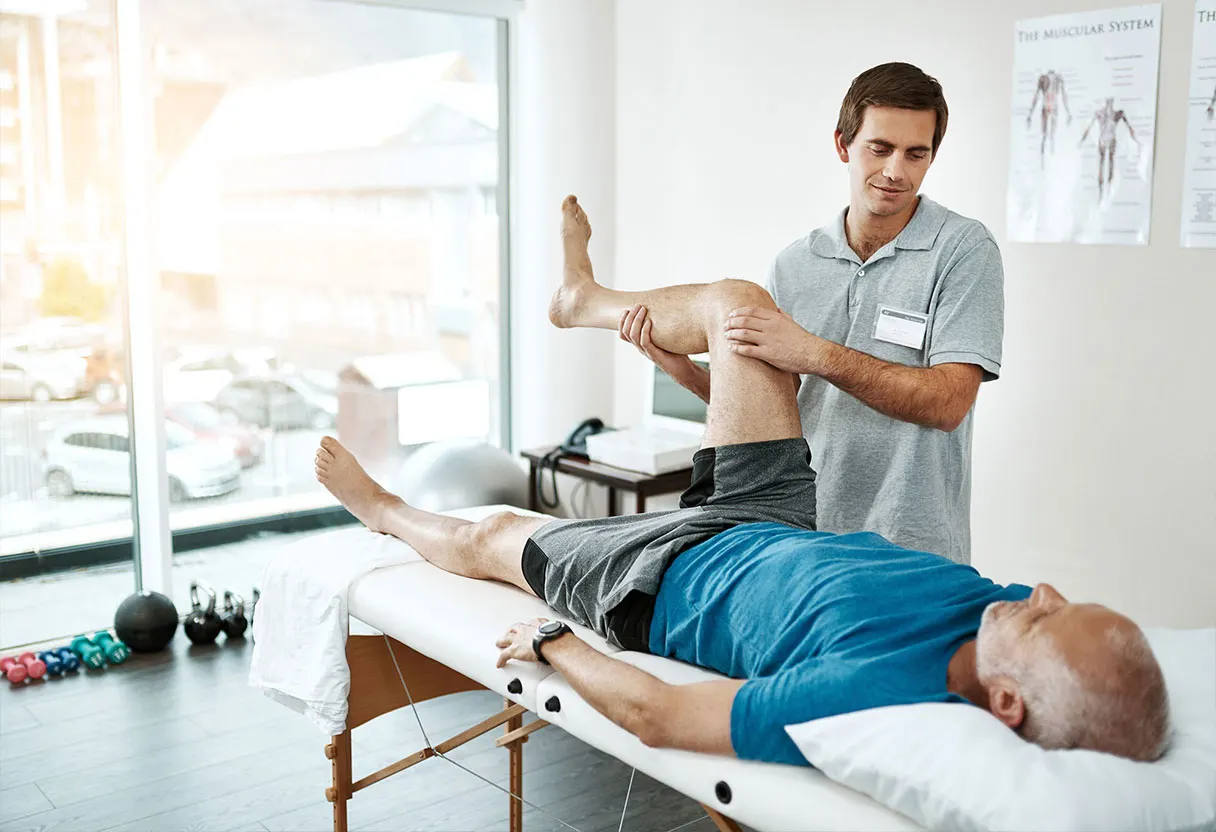
Physiotherapy at Revive Wellness Clinic begins with an assessment of elbow movement, grip strength, forearm function, and symptom patterns. This assessment helps determine which activities may be contributing to the problem and whether further medical evaluation is appropriate.
Depending on the findings, care may include:
- Therapeutic exercises: Gradual wrist and forearm strengthening to build tolerance for everyday tasks.
- Mobility exercises: Movements that support comfortable elbow, wrist, and forearm function.
- Manual therapy: Hands-on techniques when appropriate to address movement restrictions and local discomfort.
- Activity modification: Practical adjustments to lifting, gripping, exercise, and workplace tasks.
- Progressive loading: A structured increase in activity according to symptom response and functional capacity.
The aim is to help patients manage symptoms, improve arm function, and return to their usual activities at a suitable pace.
When Should You Seek Assessment?
Consider an assessment if elbow discomfort persists, grip strength decreases, or daily activities become difficult. Seek prompt medical attention following a significant injury, visible deformity, marked swelling, numbness, or sudden loss of arm function.
Persistent elbow pain can have several causes, so an assessment is important before starting a new exercise routine.
Get Started
Elbow tendon conditions can interfere with work, exercise, and everyday tasks. Revive Wellness Clinic provides physiotherapy assessments and exercise-based care for people dealing with tennis elbow, golfer’s elbow, and other elbow-related concerns.
Contact our clinic to discuss your symptoms and arrange an assessment. Our team can help identify suitable next steps based on your condition and functional needs.
Phone: +1 905-209-3111
Visit: 8 Shadlock St Unit 10, Markham, ON L3S 3E1, Canada